
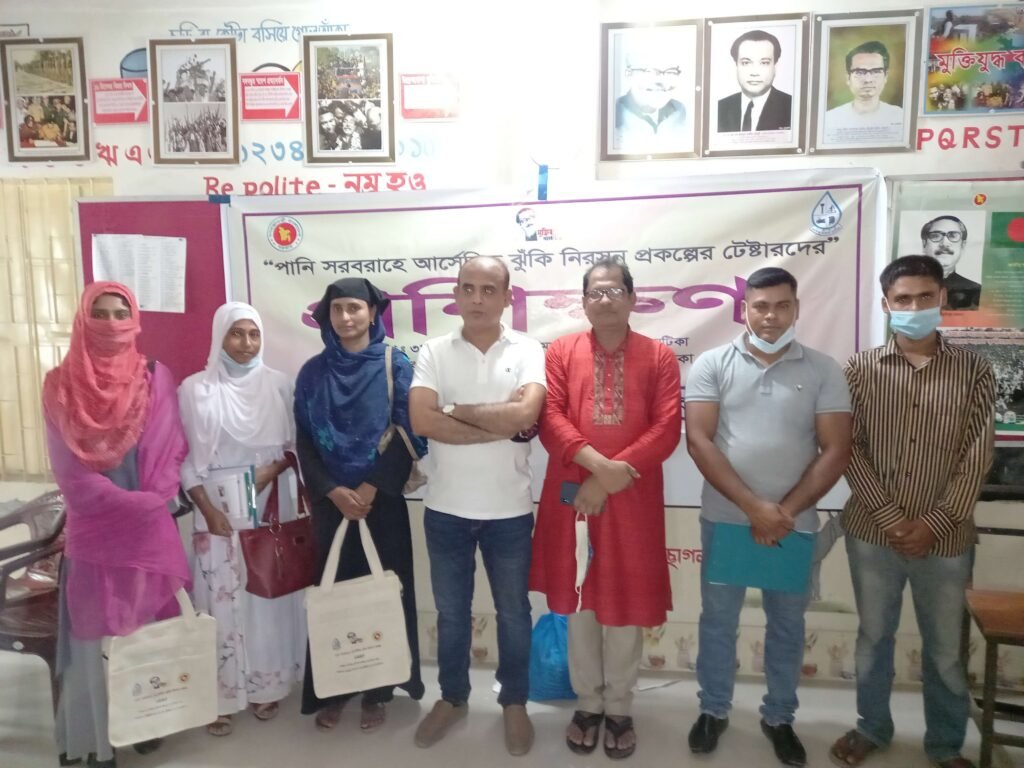
Access to clean drinking water is essential for a healthy and productive life. However, many rural communities in Bangladesh still struggle with unsafe water sources that increase the risk of waterborne diseases. At Esho Desh Gori (EDG), we are committed to improving access to safe drinking water through sustainable water supply systems and community-driven solutions.
Why Clean Drinking Water Matters
Safe drinking water is one of the most important requirements for good health. When families have access to clean water, they experience fewer illnesses, improved hygiene, and a better quality of life. Children can attend school regularly, while adults spend less time collecting water and more time earning a living.
Communities with reliable water sources also become more resilient to climate challenges and environmental changes.
Challenges Facing Rural Communities
Many villages continue to depend on ponds, rivers, or shallow tube wells that may contain harmful bacteria or contaminants. These unsafe water sources often lead to diseases such as:
- Diarrhea
- Cholera
- Typhoid
- Dysentery
Limited infrastructure and seasonal flooding make access to safe water even more difficult in many areas of Bangladesh.
How EDG Improves Water Access
Esho Desh Gori has been working for more than three decades to provide sustainable water solutions across Bangladesh.
Piped Water Supply Systems
We install modern piped water systems that deliver safe drinking water directly to communities, reducing dependence on contaminated sources.
Deep Tube Wells
Deep tube wells provide clean groundwater that remains available throughout the year and serves thousands of families.
Rainwater Harvesting
In climate-vulnerable areas, rainwater harvesting systems offer an environmentally friendly and sustainable source of safe water.
Water Safety Plans (WSP)
Our Water Safety Plan initiatives help communities maintain water quality through regular monitoring, maintenance, and awareness programs.
Benefits of Safe Water Projects
Every water supply project creates long-term benefits for communities.
Better Public Health
Safe drinking water significantly reduces waterborne diseases and improves overall health.
Improved Education
Children spend less time collecting water and more time attending school and learning.
Economic Growth
Healthy families lose fewer workdays due to illness, improving household income and productivity.
Women’s Empowerment
Reliable water sources reduce the burden on women and girls, allowing them more time for education, employment, and family care.
Building Sustainable Communities
Providing clean water is only the first step. EDG works closely with local communities to ensure every project remains sustainable through training, community participation, and regular maintenance.
Our approach empowers communities to take ownership of their water systems, ensuring safe drinking water for years to come.
Looking Ahead
As Bangladesh continues to grow, access to clean drinking water will remain a critical development priority. Through innovation, partnerships, and community engagement, EDG is dedicated to expanding safe water access to even more rural communities.
Every new water project represents healthier families, stronger communities, and a brighter future for Bangladesh.
Conclusion
Clean drinking water changes lives. It improves health, supports education, strengthens local economies, and creates opportunities for sustainable development. By investing in reliable water infrastructure today, we can build healthier and more resilient communities for generations to come.