
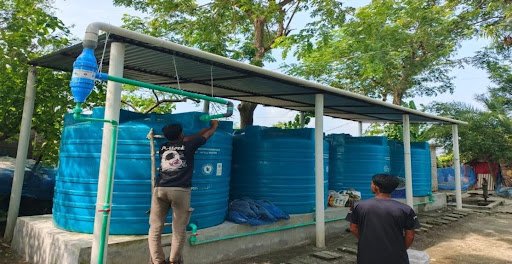
Access to safe sanitation is a basic human right and a key driver of public health. Yet many communities in Bangladesh still lack proper sanitation facilities, increasing the risk of disease and environmental pollution. At Esho Desh Gori (EDG), we work to improve sanitation through sustainable infrastructure, hygiene awareness, and community participation, helping create healthier and more resilient communities.
Why Sanitation Matters
Sanitation is more than building toilets—it is about protecting people’s health, preserving the environment, and ensuring dignity for everyone. Proper sanitation facilities reduce contamination, improve hygiene, and create safer living conditions for families.
Communities with better sanitation experience fewer illnesses, cleaner surroundings, and a higher quality of life.
The Challenges of Poor Sanitation
Many underserved communities continue to face sanitation challenges due to limited infrastructure and awareness.
Common challenges include:
- Open defecation in some rural areas
- Inadequate wastewater management
- Contaminated water sources
- Poor hygiene practices
- Limited access to safe sanitation facilities
These issues contribute to the spread of diseases and negatively affect children’s health, education, and overall well-being.
How EDG Is Improving Sanitation Across Bangladesh
For more than three decades, Esho Desh Gori (EDG) has implemented sanitation projects that improve public health and community well-being.
Construction of Hygienic Latrines
We build durable and hygienic latrine facilities that provide safe sanitation for families, schools, and public institutions.
Urban WASH Projects
Through Water, Sanitation, and Hygiene (WASH) initiatives, we improve sanitation infrastructure and promote cleaner urban environments.
Community Hygiene Awareness
Infrastructure alone is not enough. We organize awareness campaigns that encourage proper handwashing, safe sanitation practices, and community responsibility.
Sustainable Waste Management
Our sanitation projects support better wastewater management and environmentally responsible sanitation systems that protect both people and nature.
Benefits of Improved Sanitation
Every sanitation project delivers long-term benefits for individuals and communities.
Healthier Families
Proper sanitation helps prevent diseases such as diarrhea, cholera, dysentery, and typhoid by reducing exposure to harmful bacteria.
Cleaner Communities
Improved sanitation keeps streets, water sources, and public spaces cleaner, creating a healthier environment for everyone.
Better Education
Children who grow up in healthy environments are more likely to attend school regularly and perform better academically.
Greater Dignity and Safety
Safe sanitation facilities provide privacy and security, particularly for women, girls, older adults, and people with disabilities.
Community Participation Creates Lasting Impact
Successful sanitation projects depend on active community involvement. EDG works closely with local residents, schools, and community leaders to encourage responsible sanitation practices and ensure facilities are properly maintained.
When communities take ownership of sanitation systems, the benefits continue long after construction is complete.
Building a Healthier Future Together
Bangladesh has made significant progress in sanitation, but continued investment is essential to reach every community. By expanding sanitation infrastructure and promoting healthy hygiene practices, we can reduce disease, protect the environment, and improve quality of life.
EDG remains committed to building cleaner, healthier, and more sustainable communities through innovative sanitation solutions.
Conclusion
Improved sanitation is one of the most effective ways to strengthen public health and support sustainable development. Every hygienic latrine, every WASH project, and every community awareness campaign brings Bangladesh one step closer to a healthier future.
Together, we can create cleaner environments, protect public health, and ensure safe sanitation for every community.