Project code · Latrine
Kushtia Region, covering Kushtia, Chuadanga, and Meherpur districts under the Kushtia Circle
6 September 2021 – 30 November 2021 (2.5 months)
3 districts, 13 upazilas, 115 unions; 29 training batches.
Budget
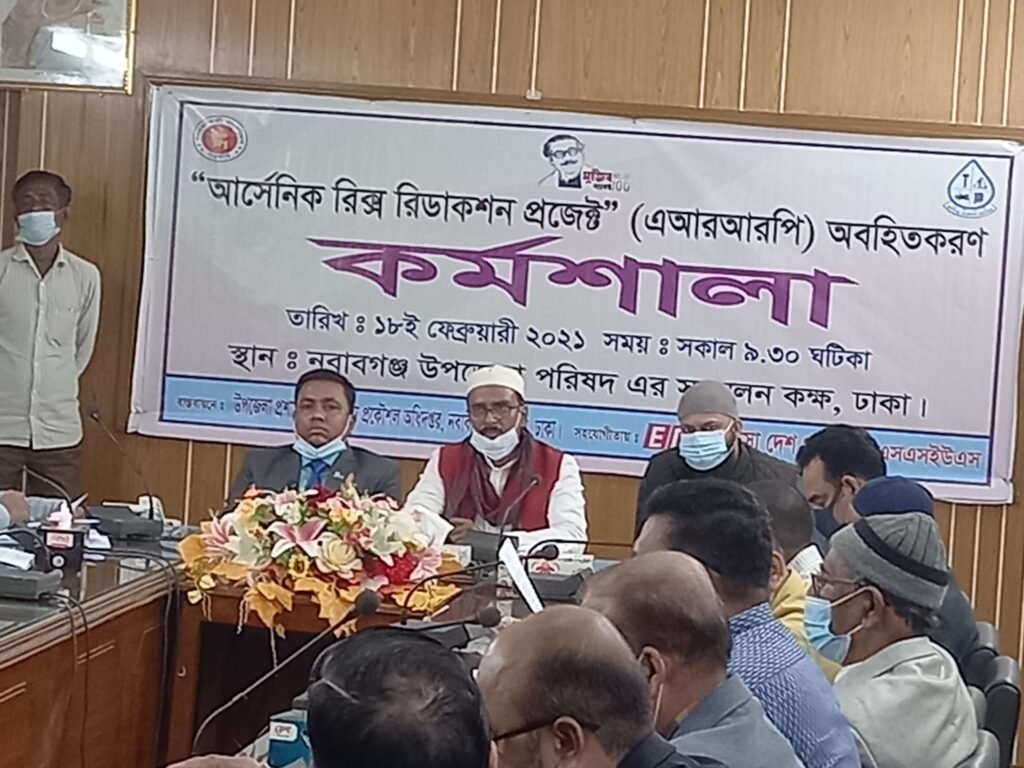
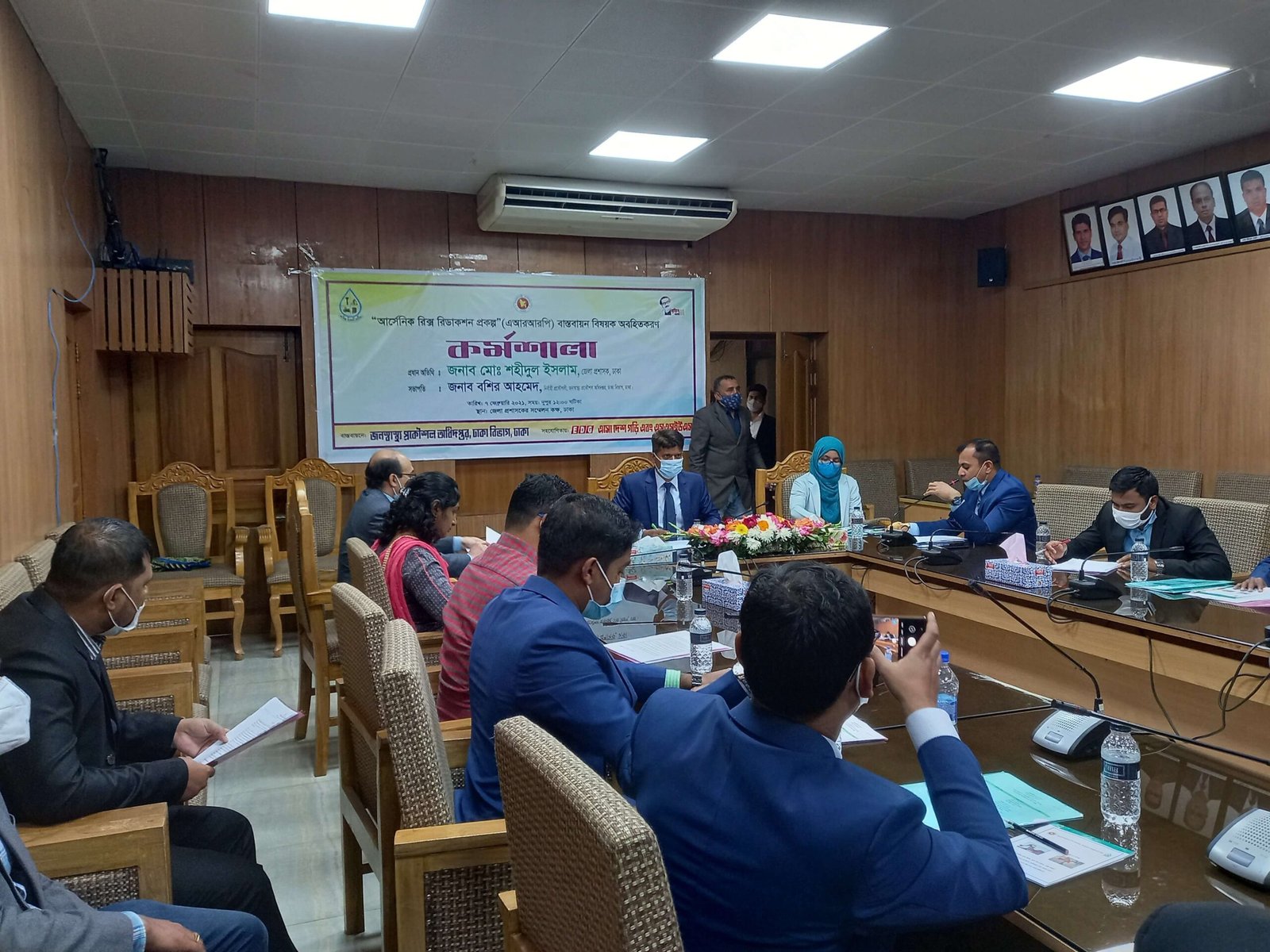
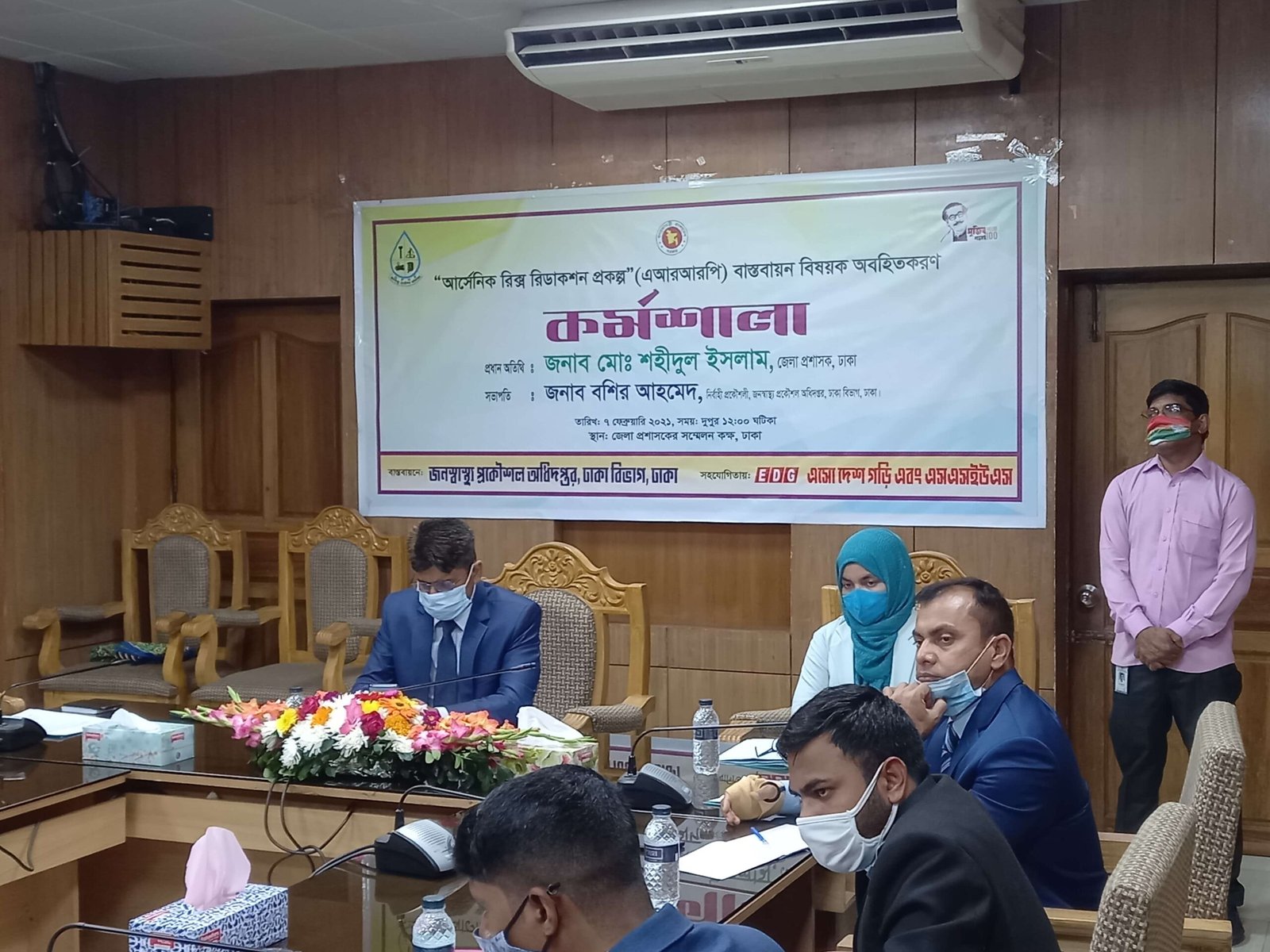
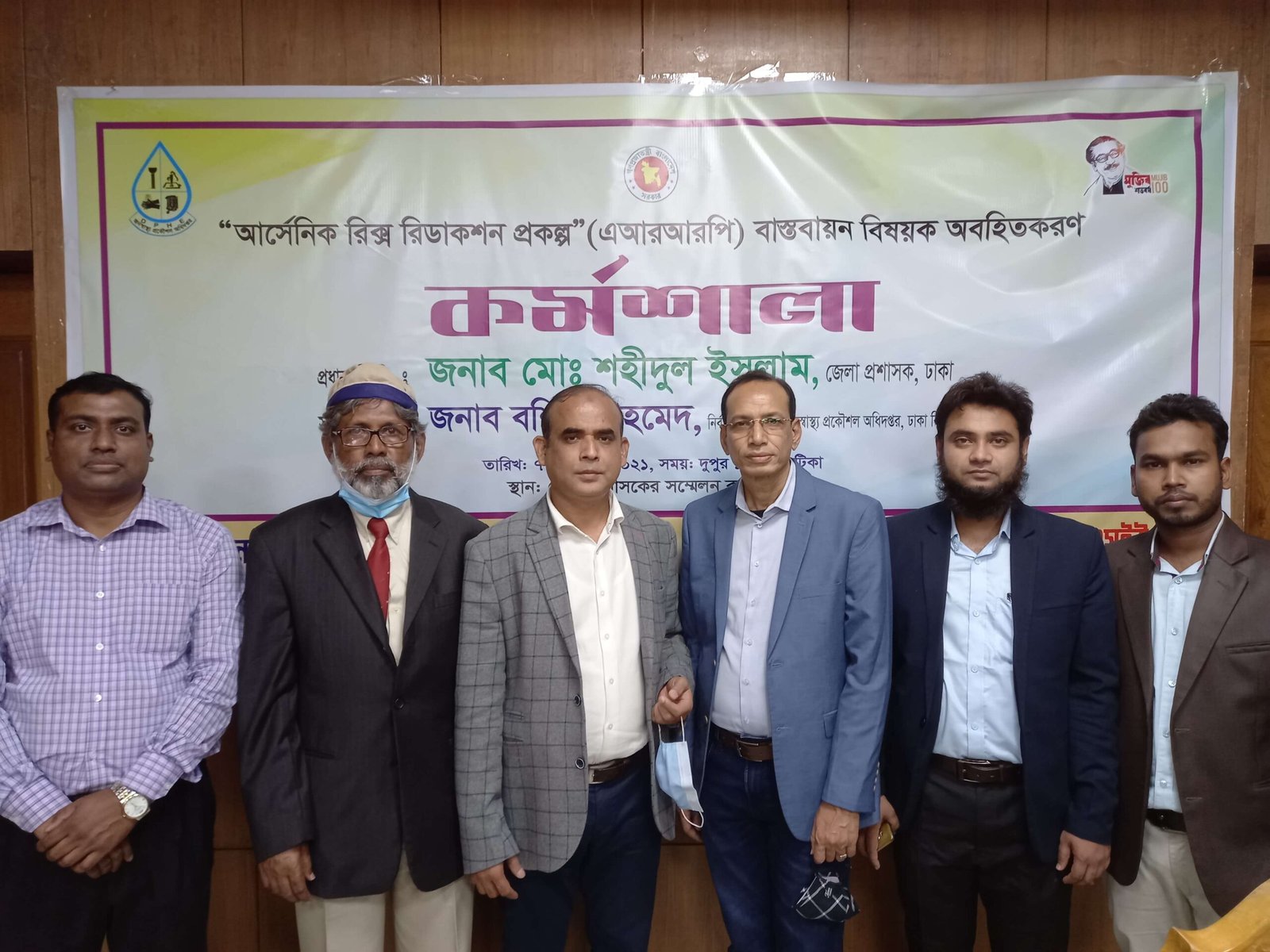
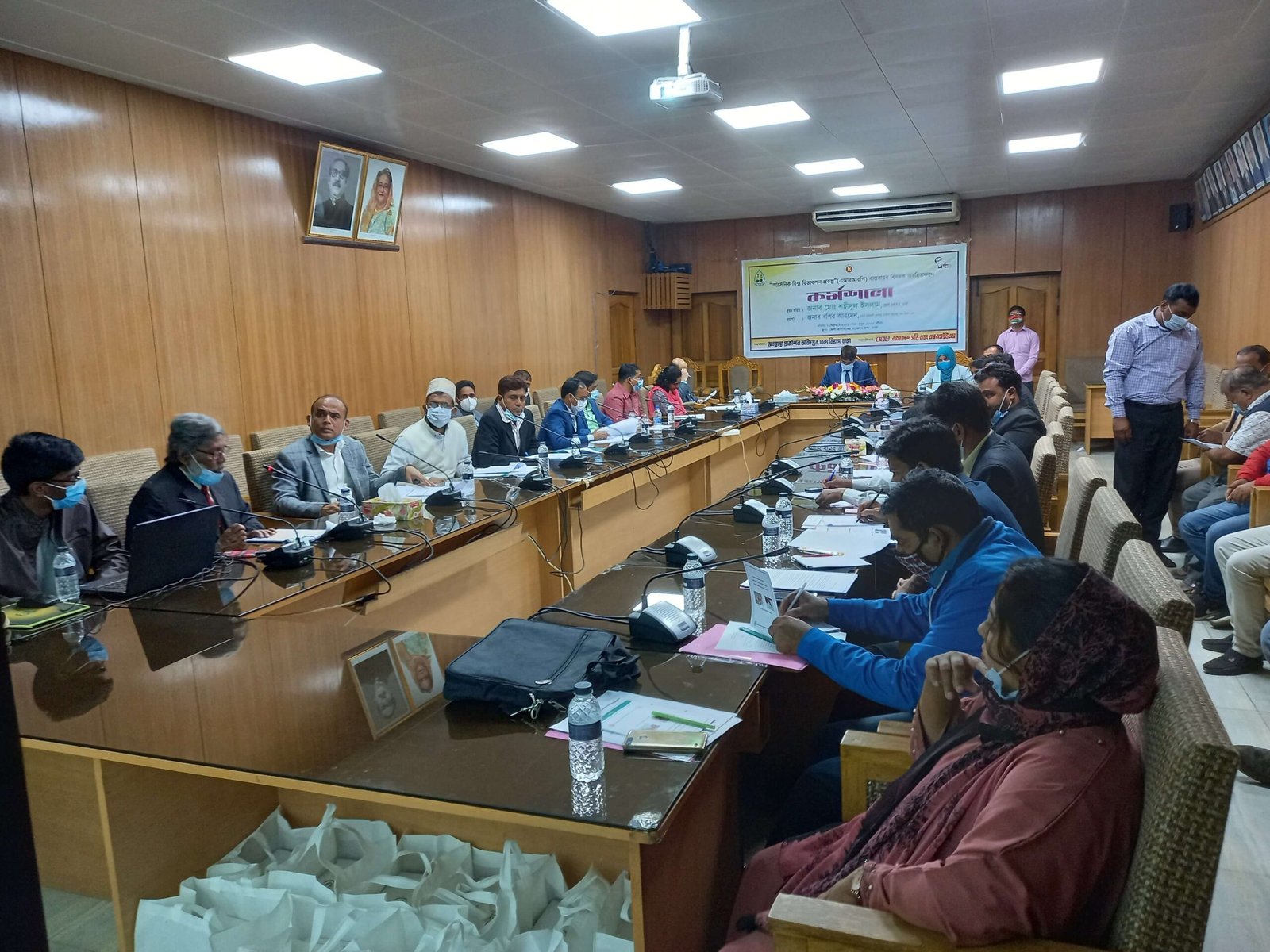
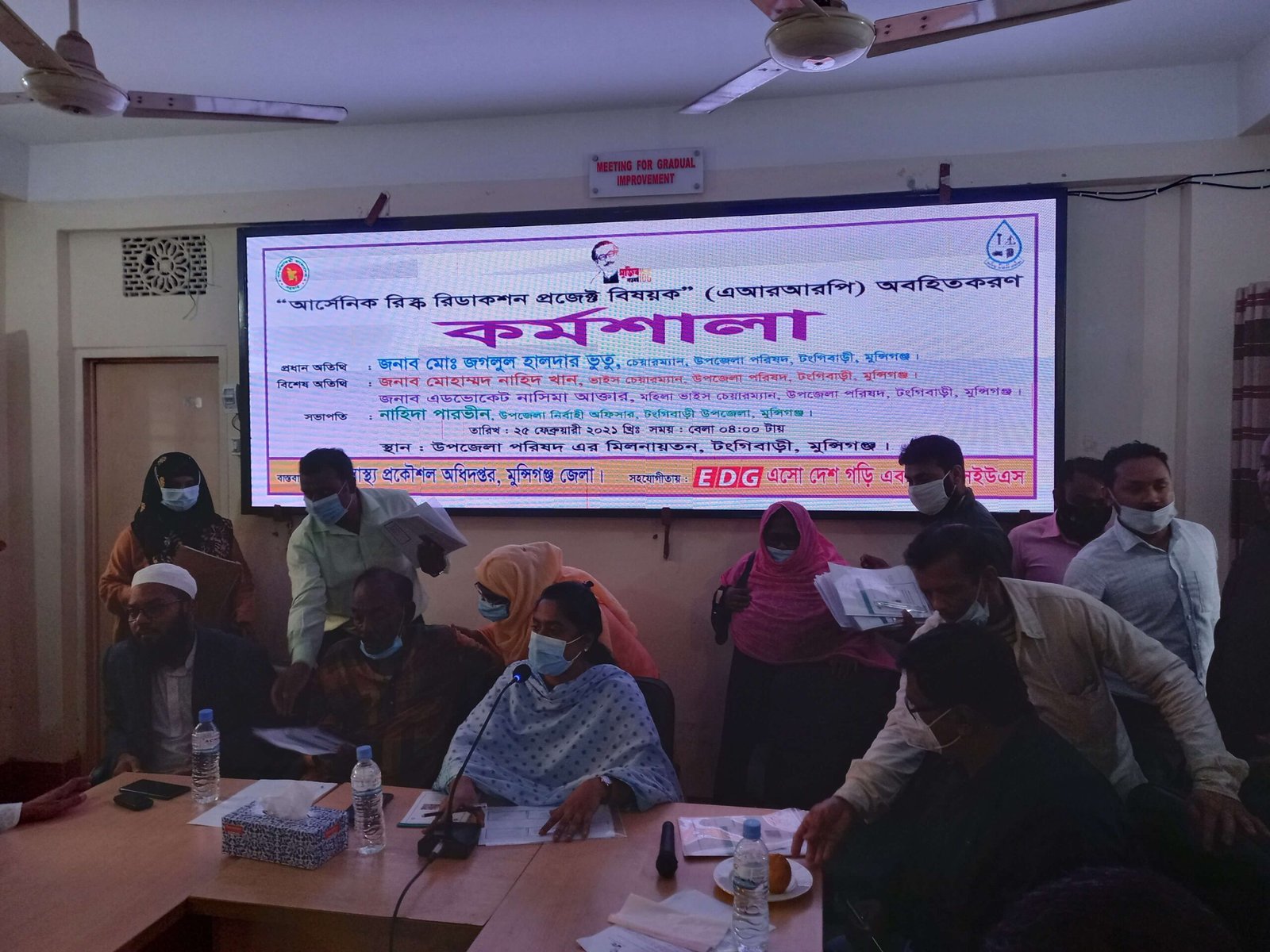
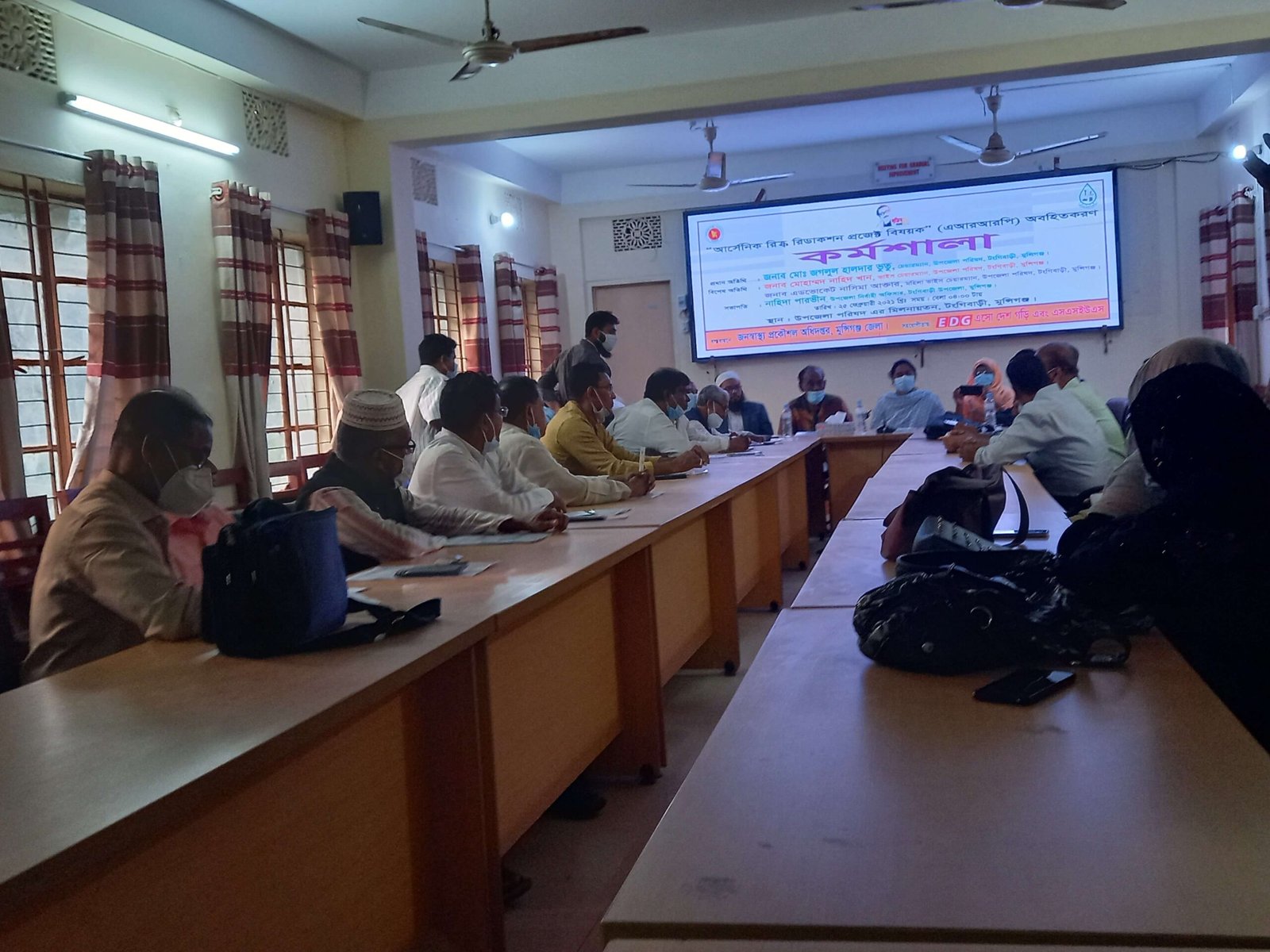
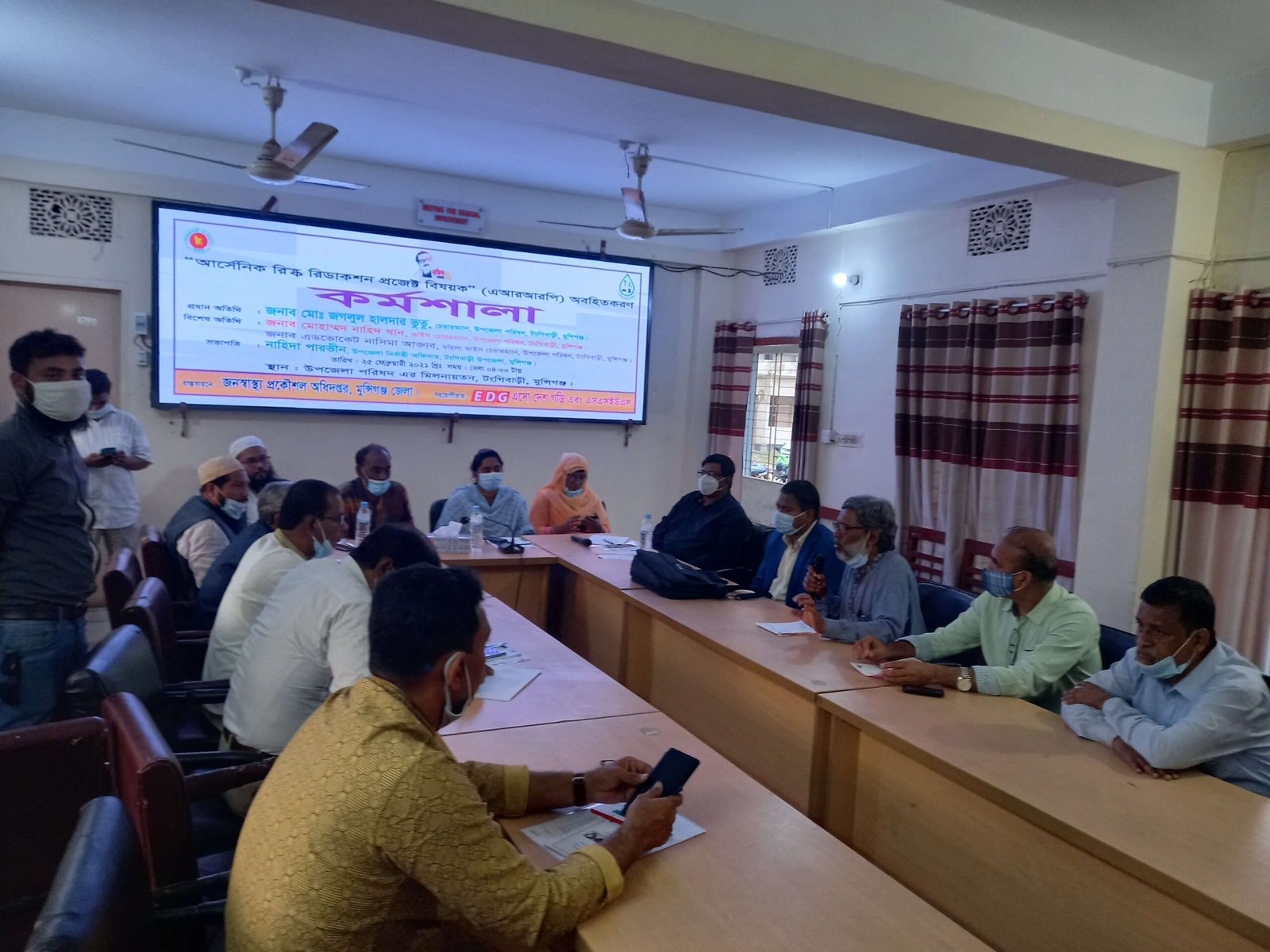
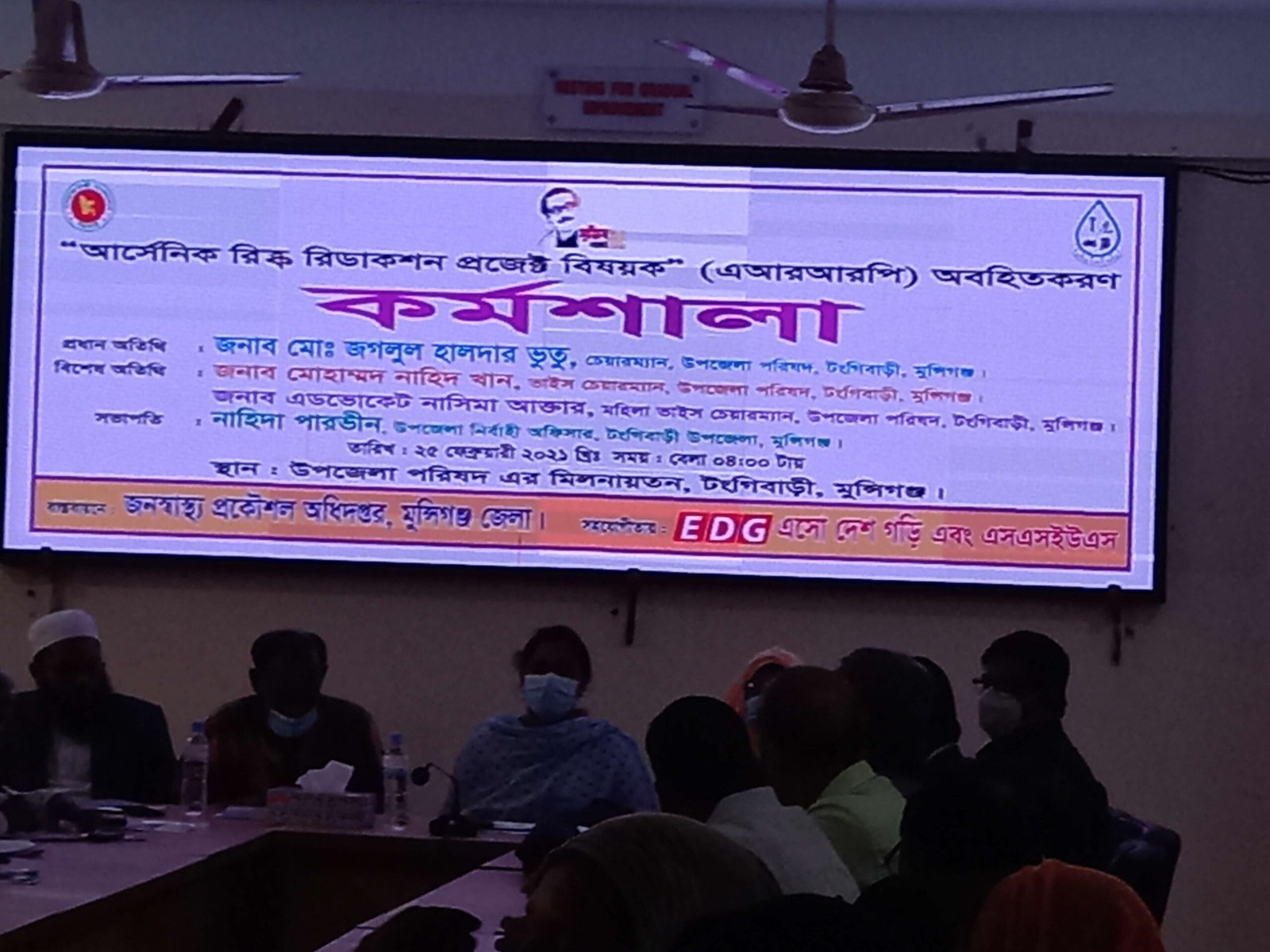
The Arsenic Risk Reduction Project (ARRP) was implemented to strengthen arsenic mitigation efforts through arsenic screening, capacity building, community awareness, training, and monitoring activities in arsenic-prone areas of Bangladesh. Under this initiative, NGO Forum for Public Health provided consulting services on arsenic screening, training, orientation, supervision, monitoring, and quality assurance activities in collaboration with the Department of Public Health Engineering (DPHE), Government of Bangladesh. The project focused on improving access to safe drinking water by identifying arsenic-contaminated tube wells, strengthening local capacity, and establishing an effective monitoring mechanism for arsenic risk reduction.
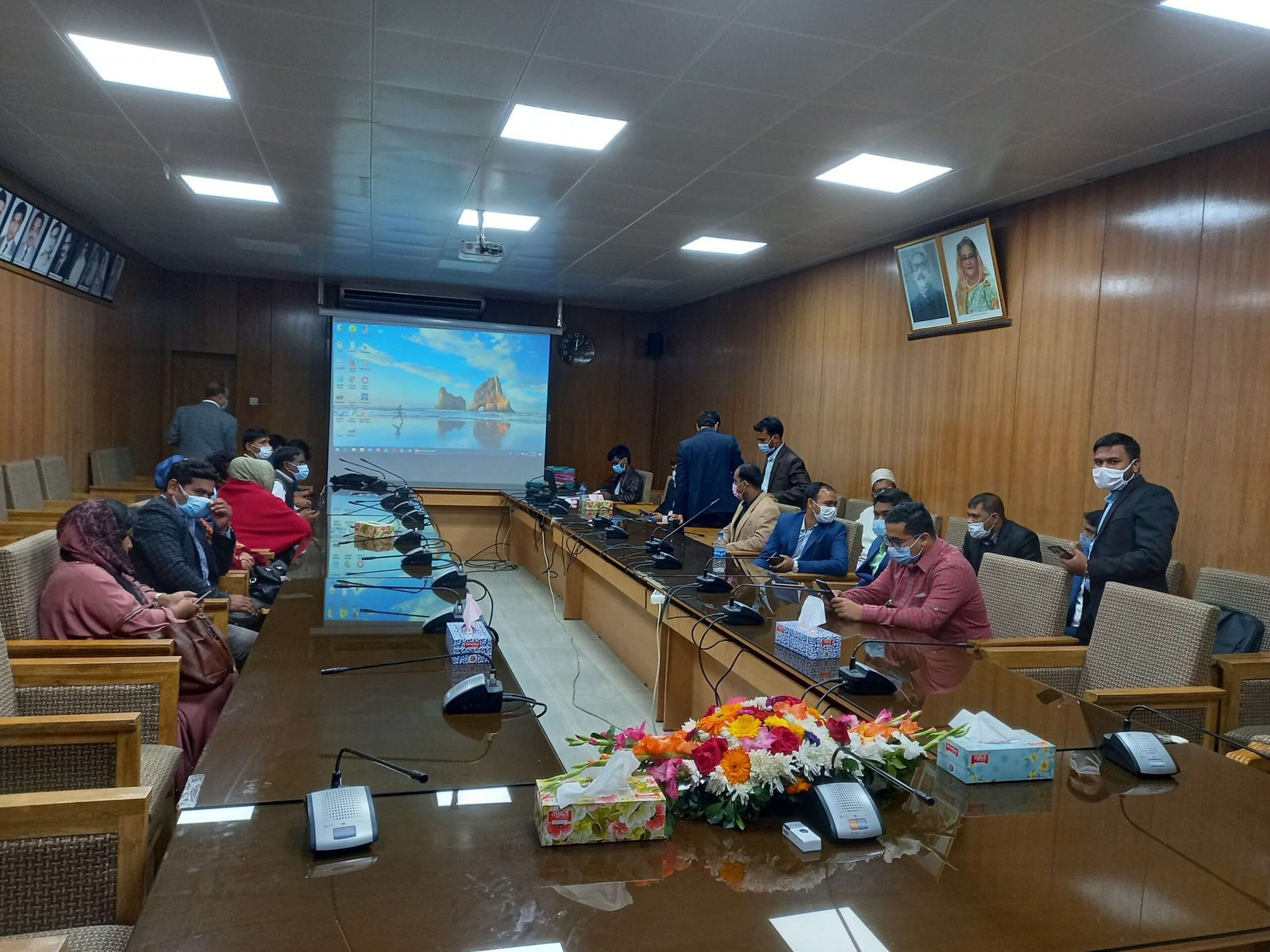
The project was implemented in the Kushtia Circle, covering the districts of Kushtia, Chuadanga, and Meherpur. The consultancy period was from 16 September 2021 to 30 November 2021 (2.5 months), while monitoring, supervision, and reporting activities continued until 23 March 2022.
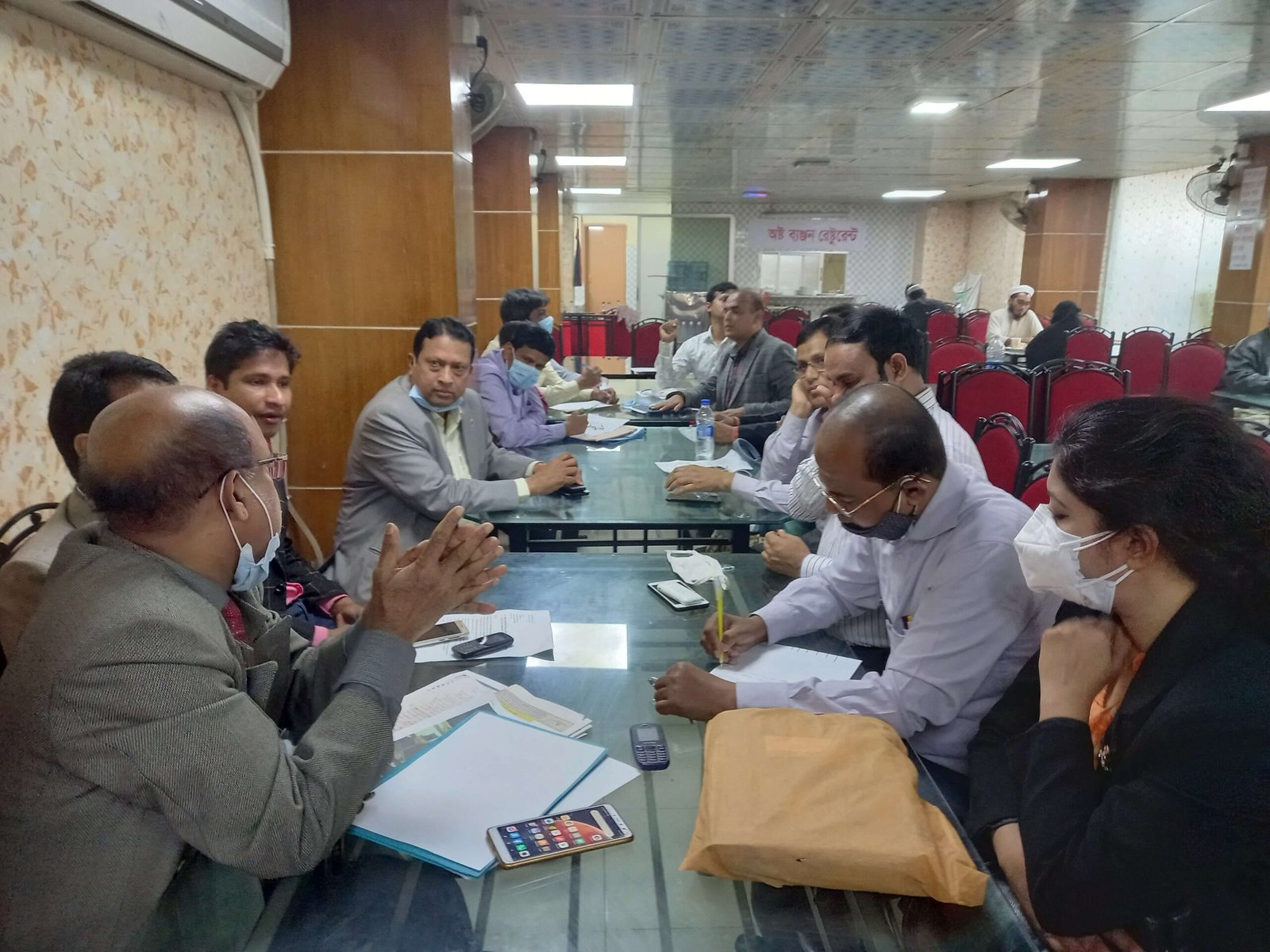
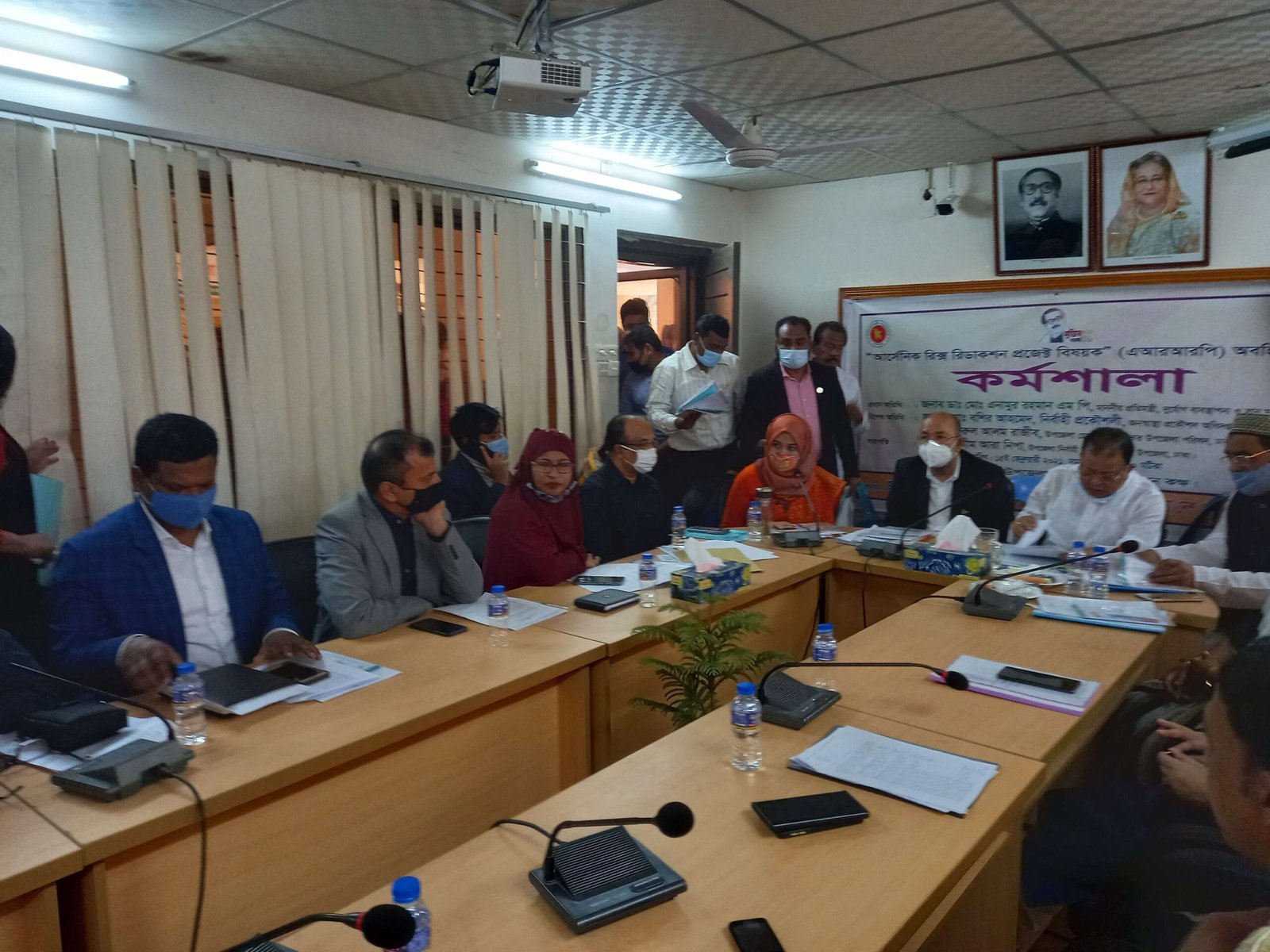
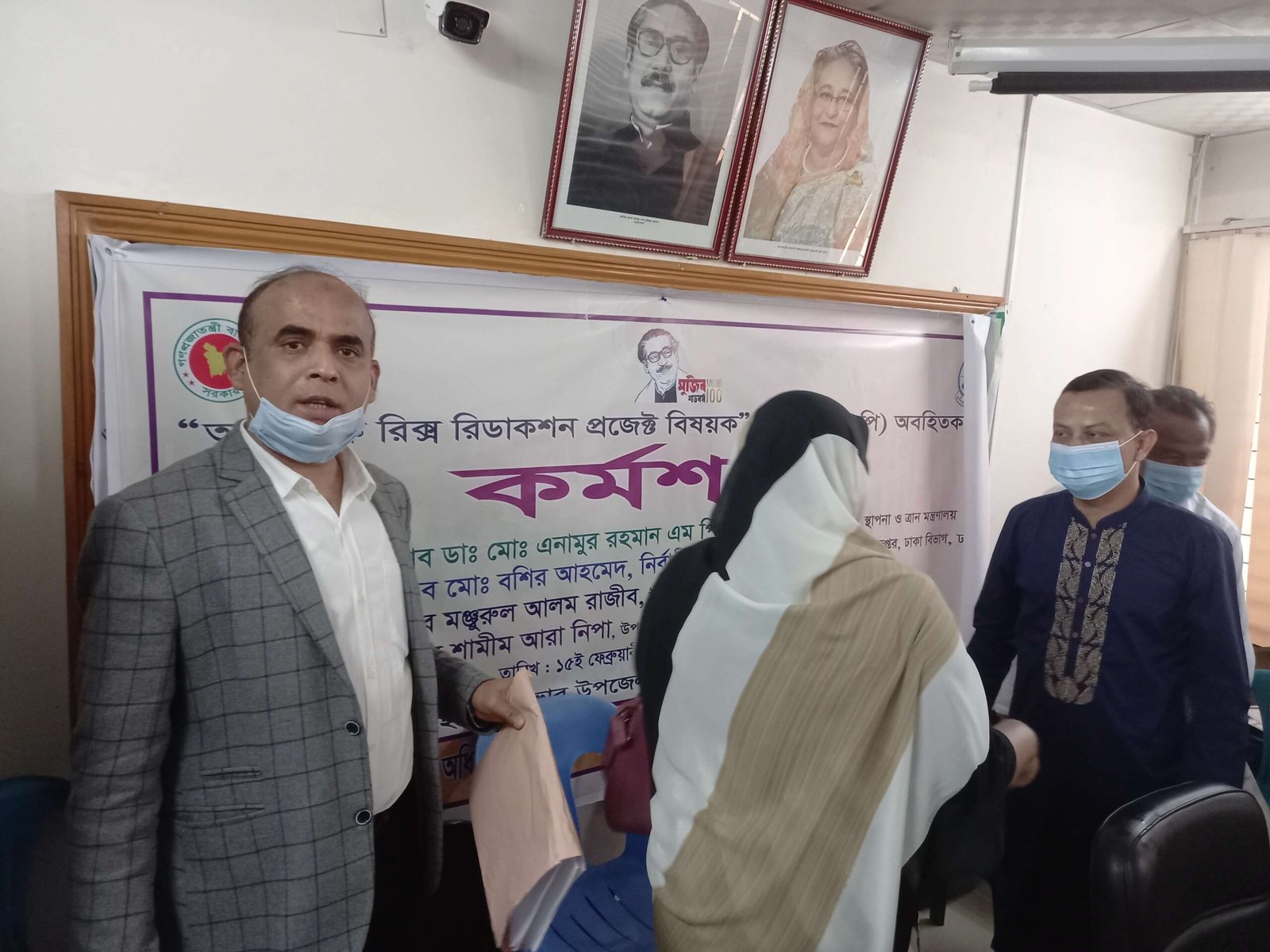
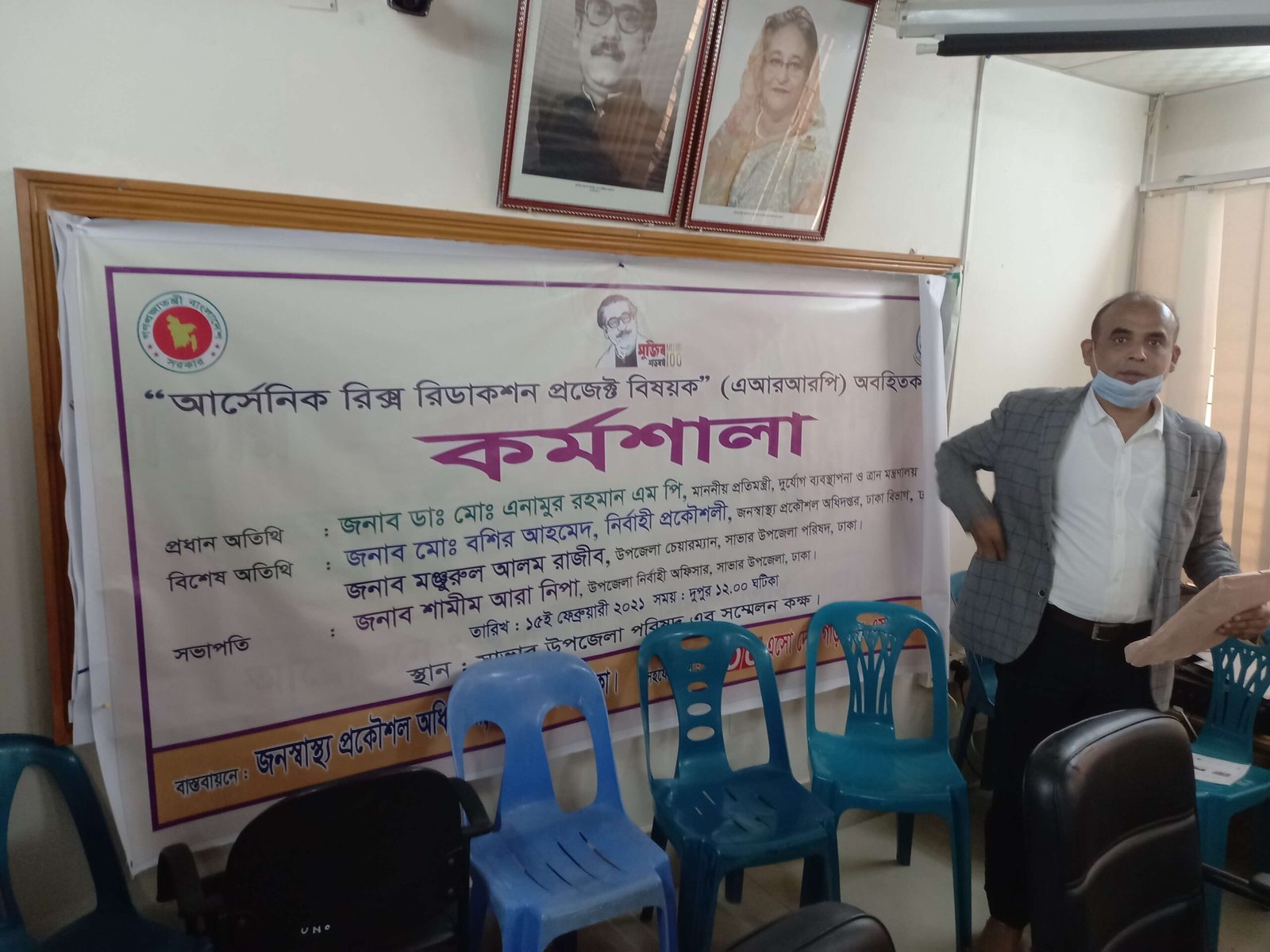
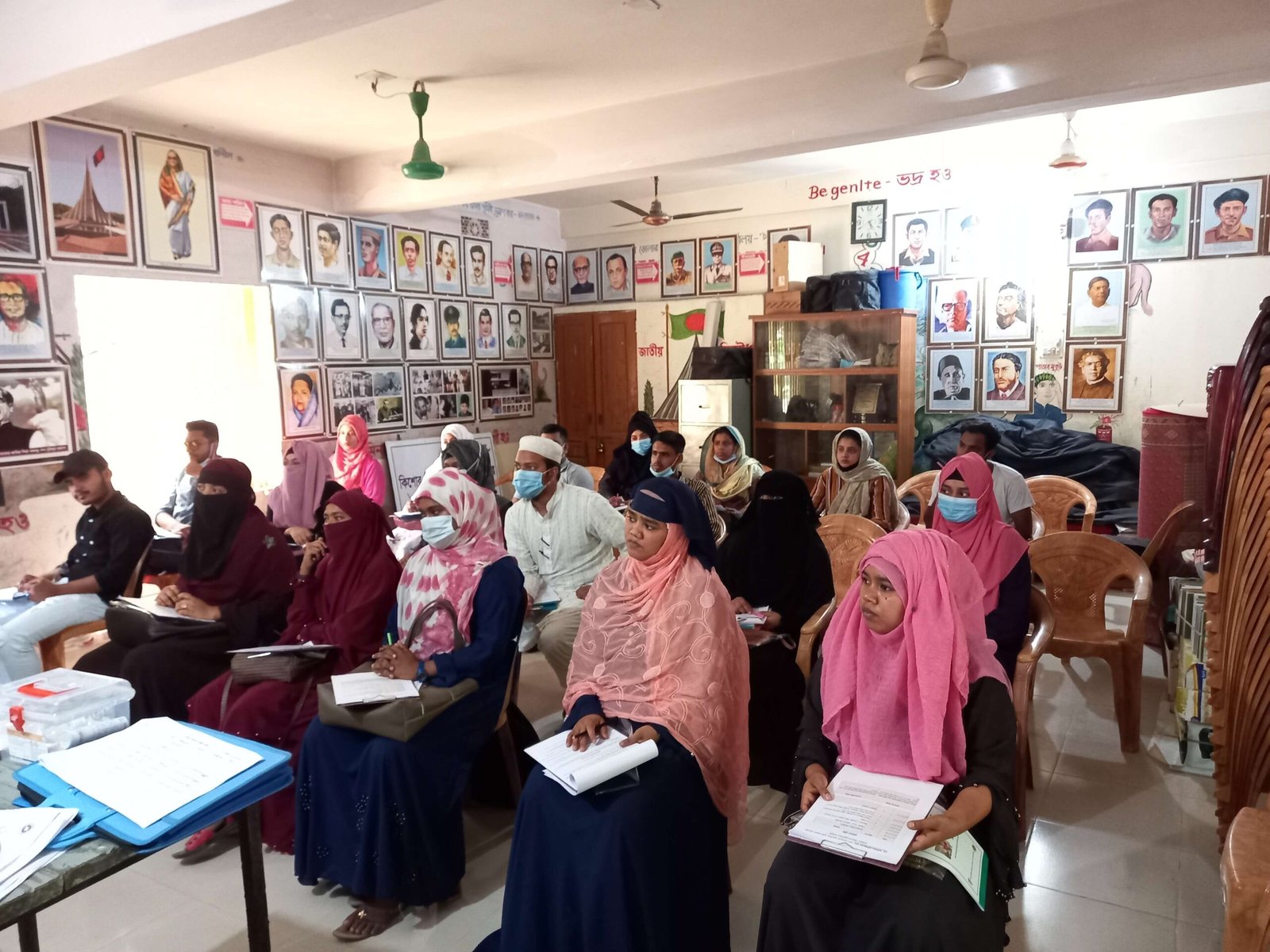
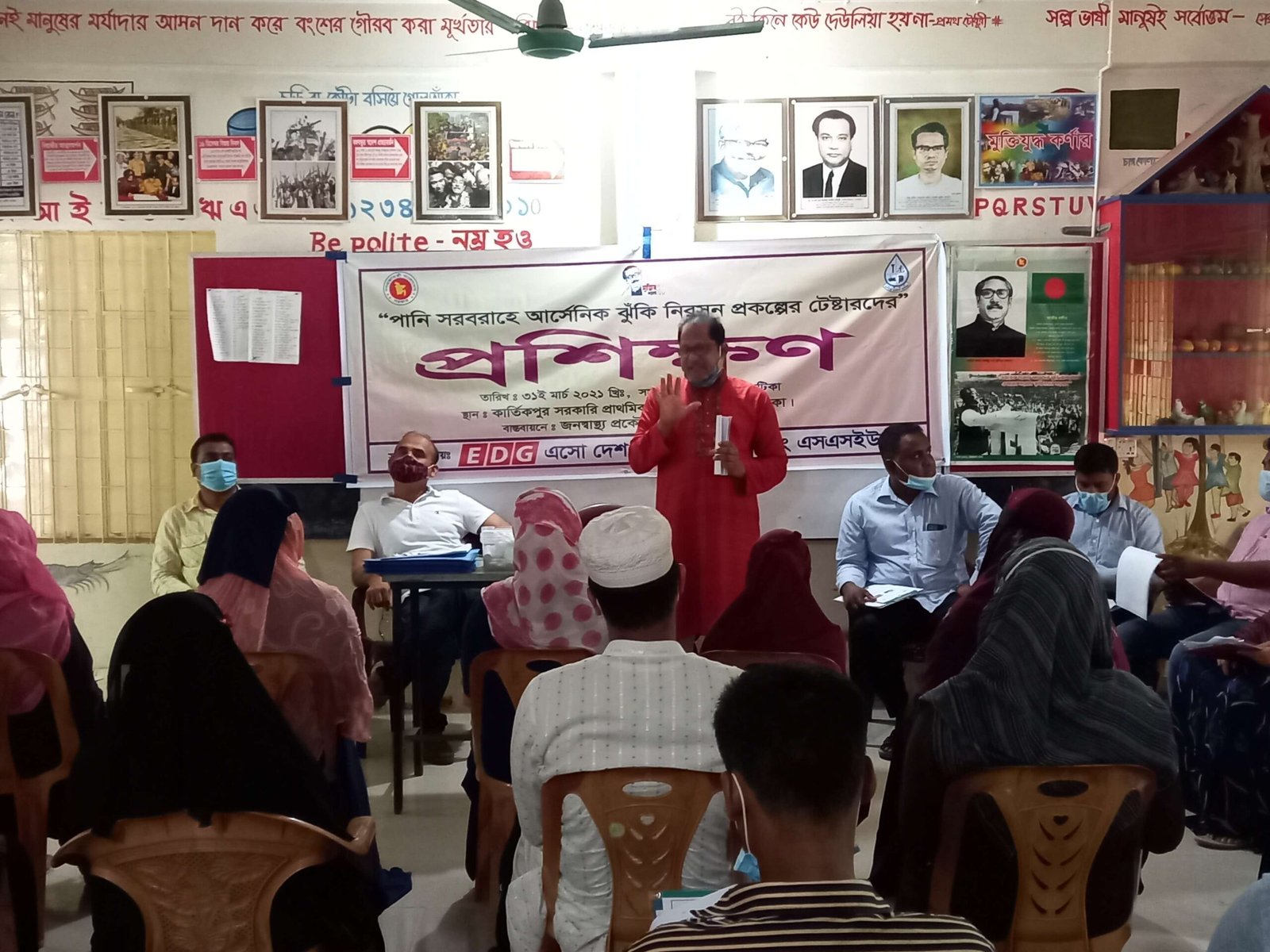
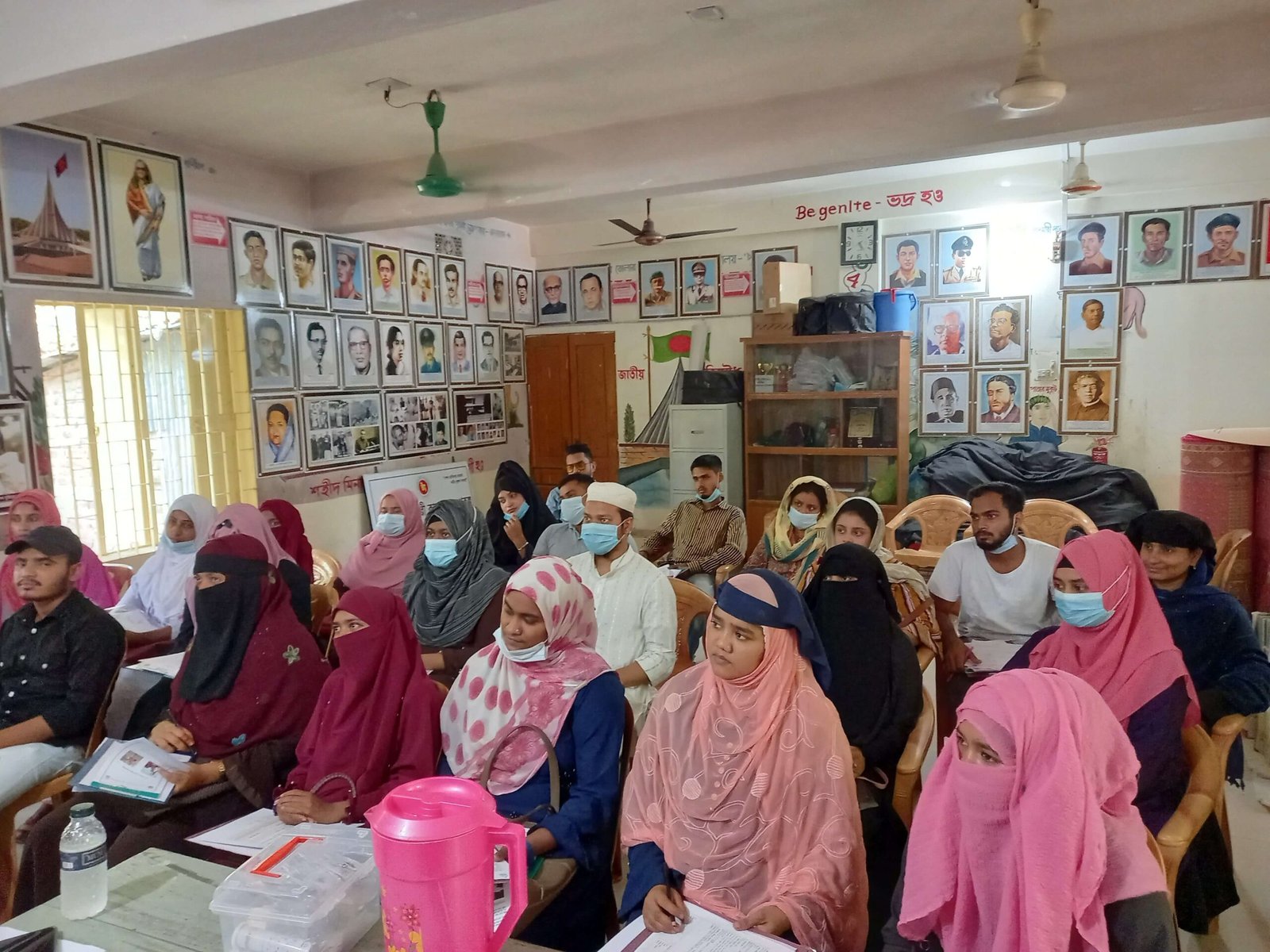
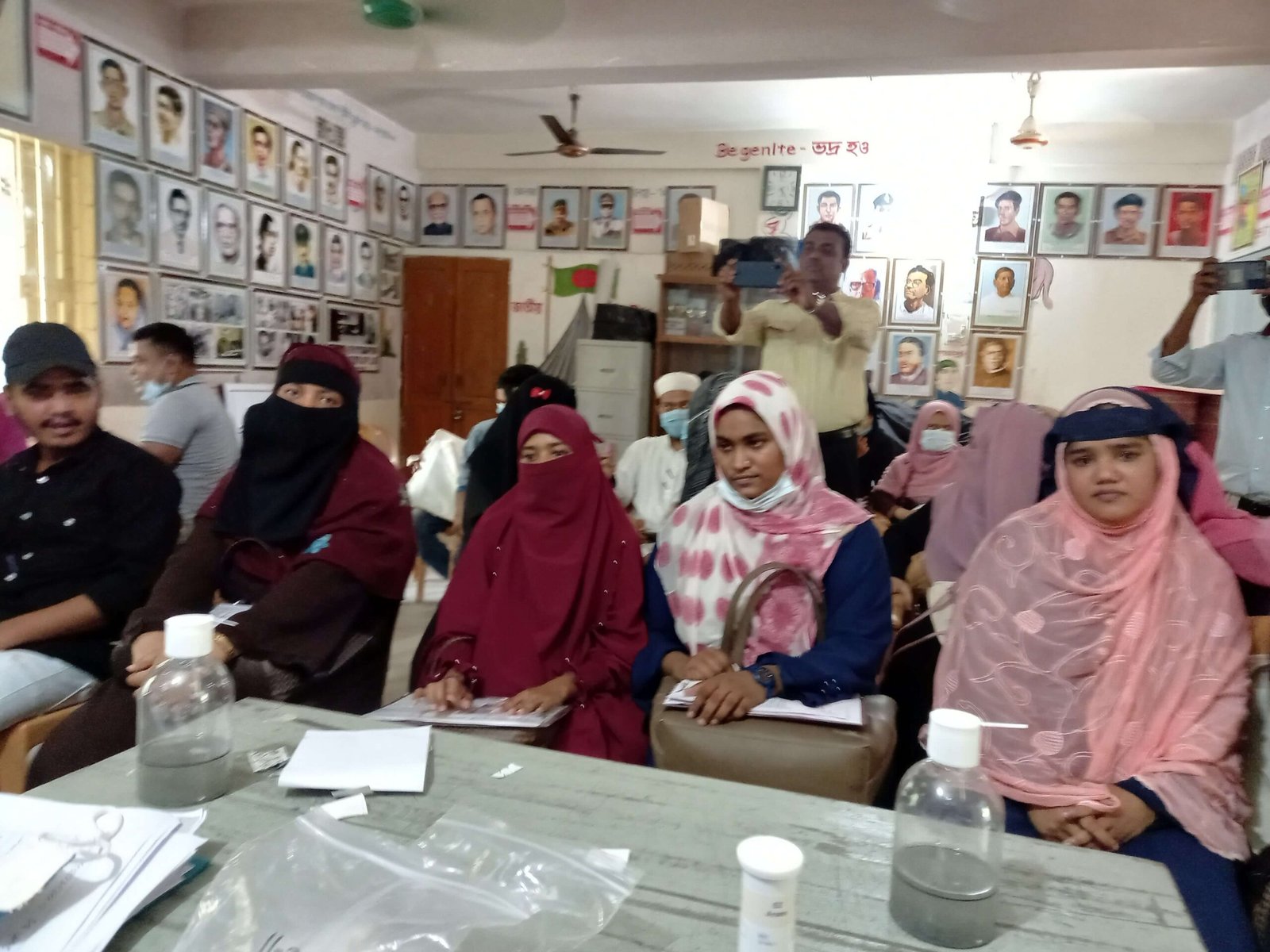
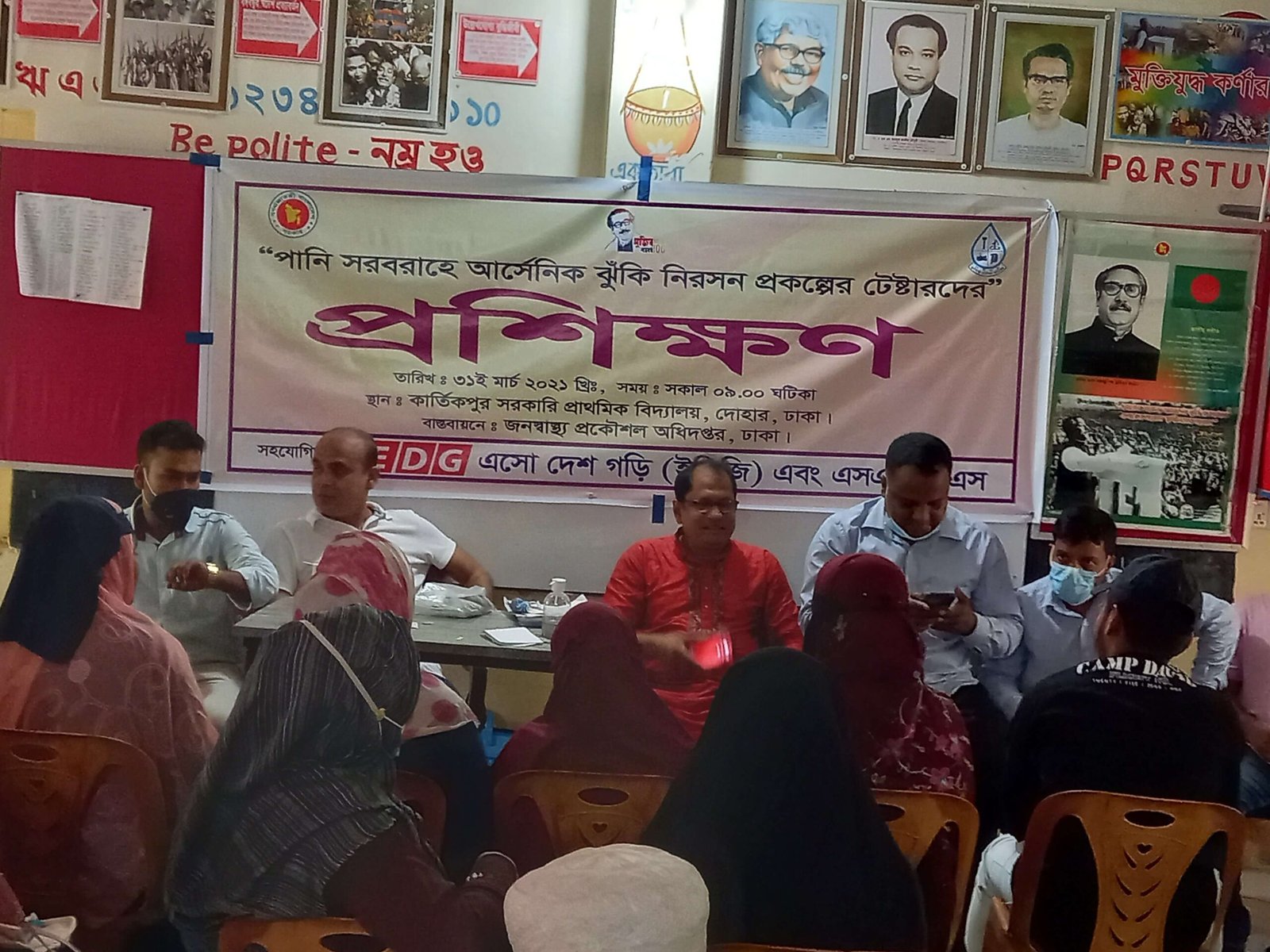
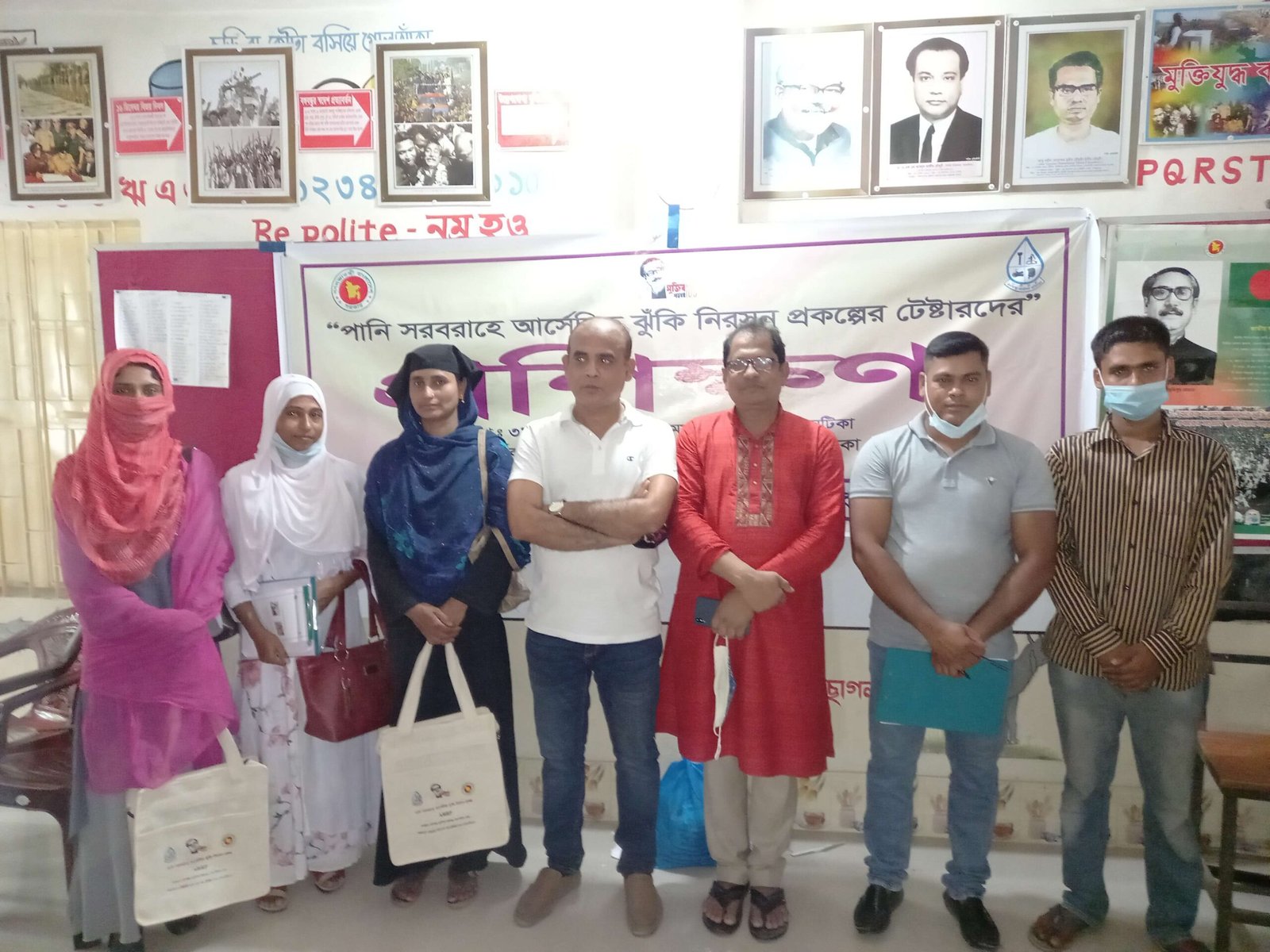
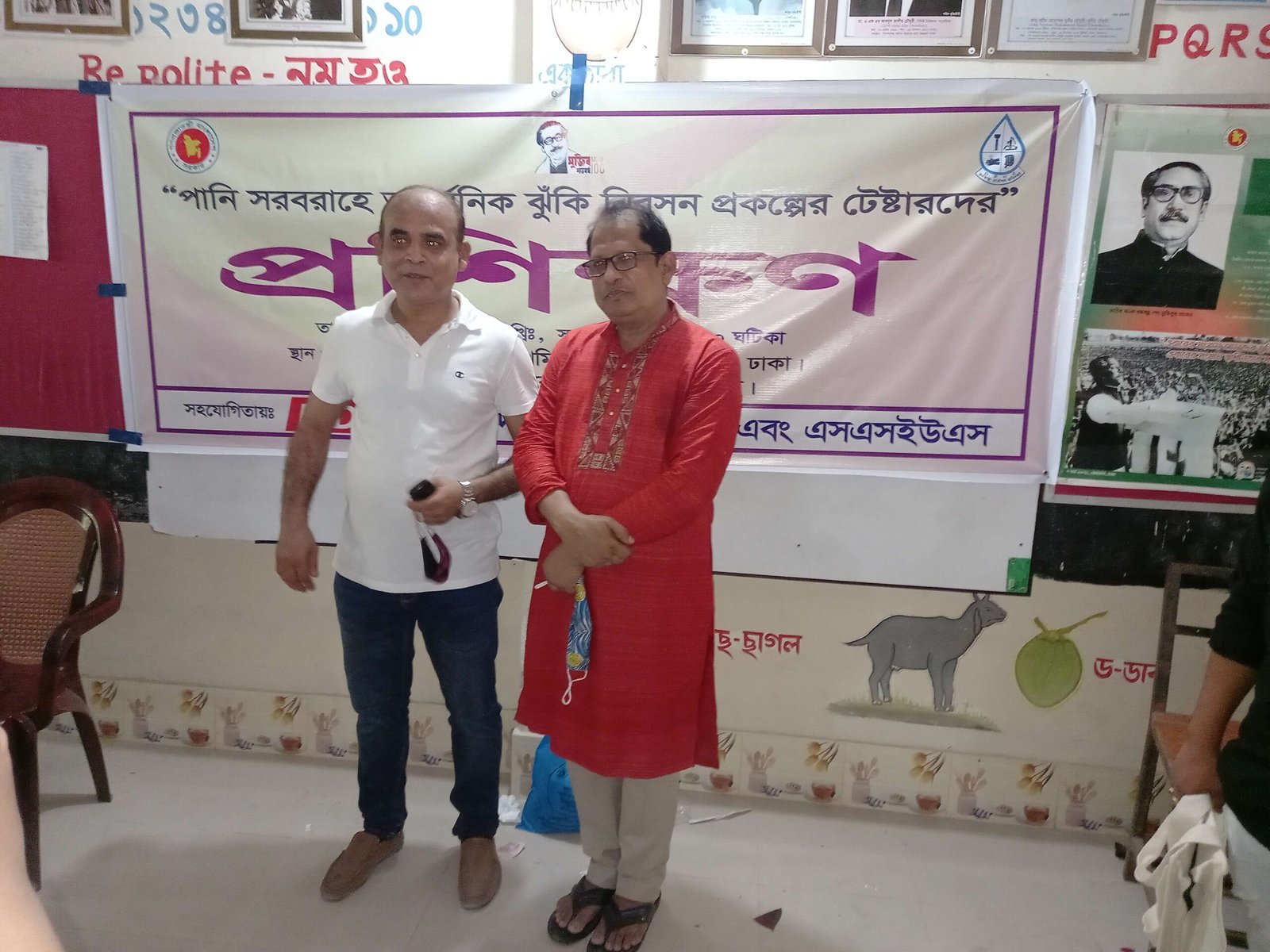
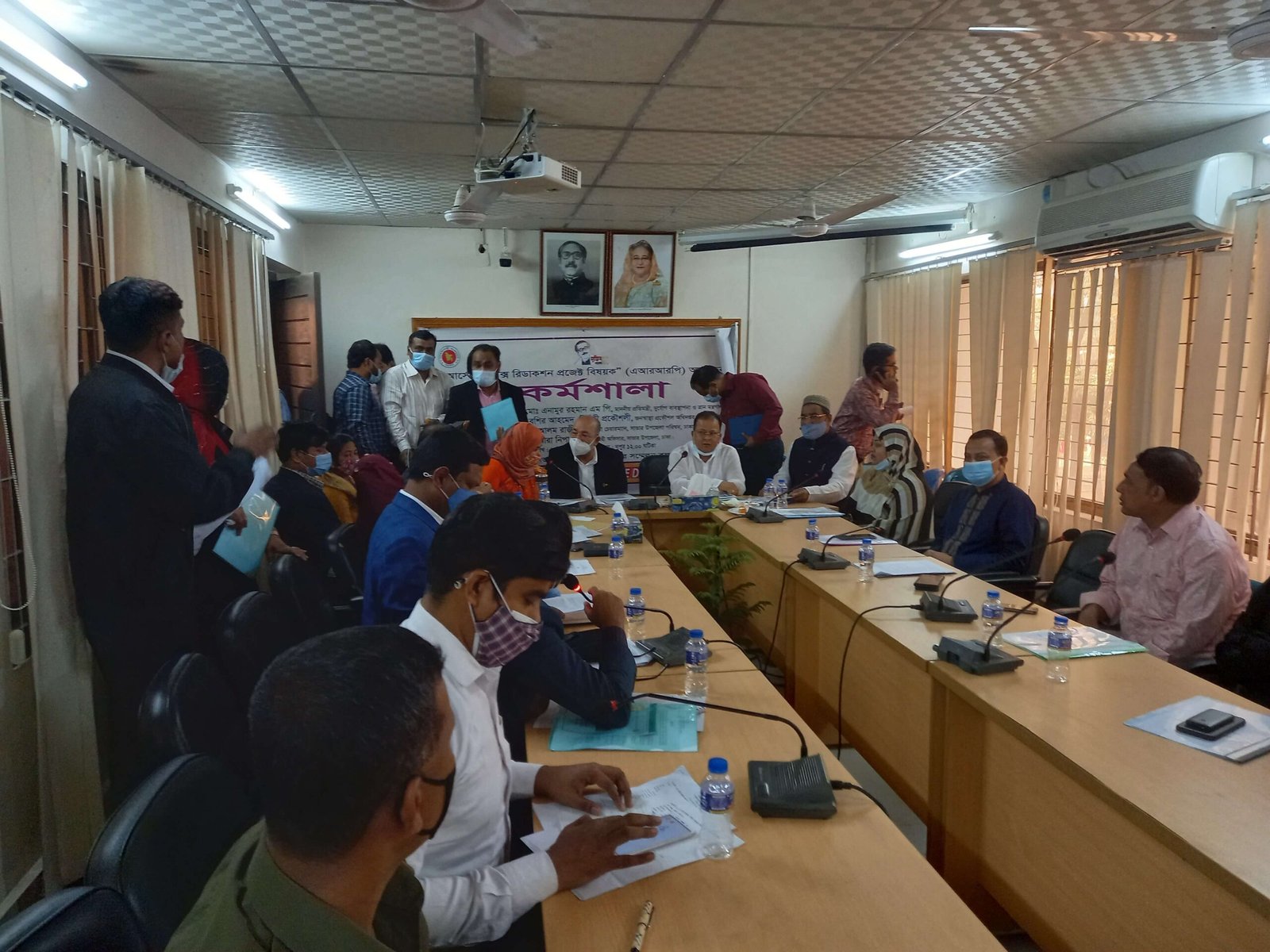
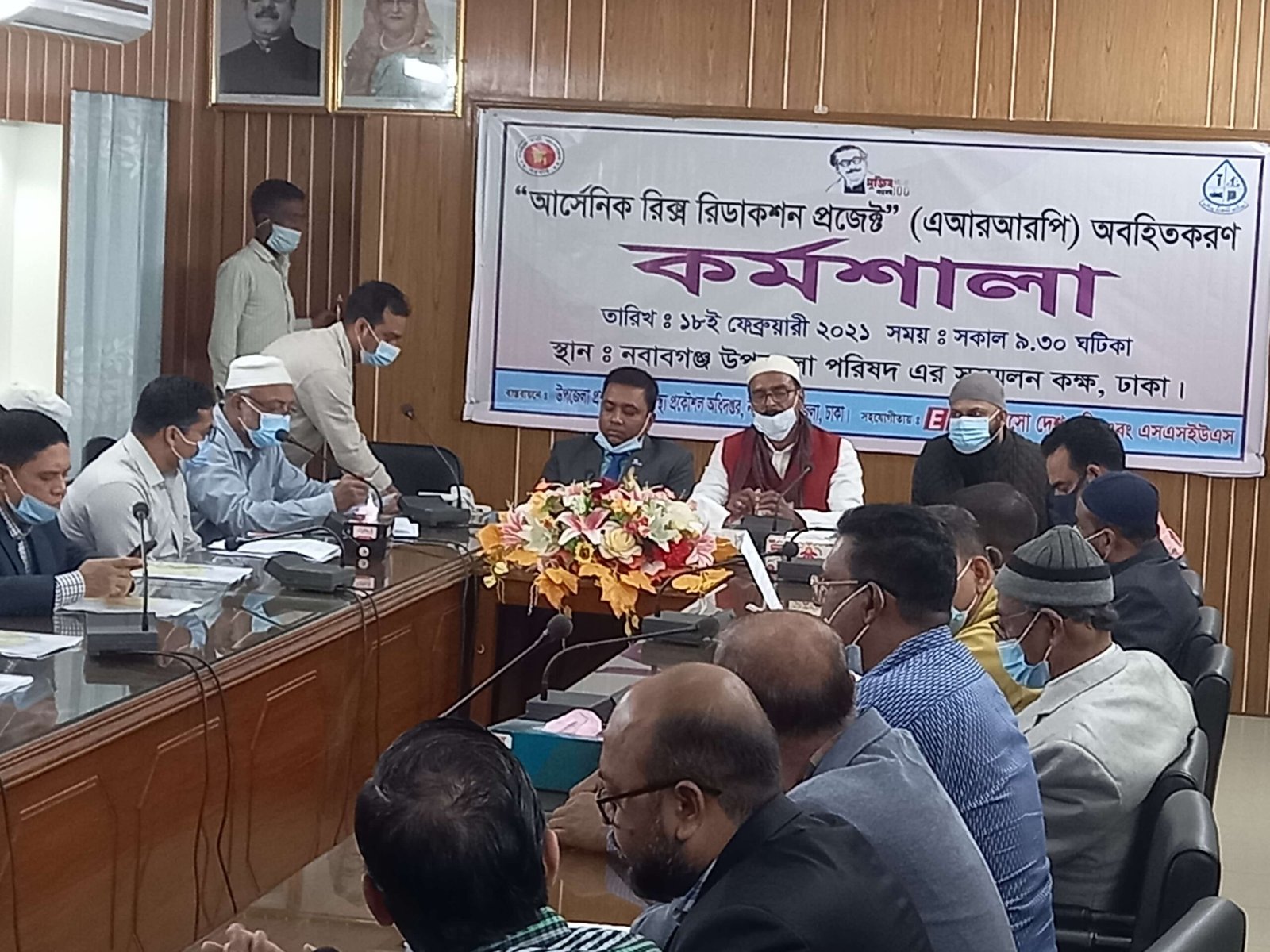
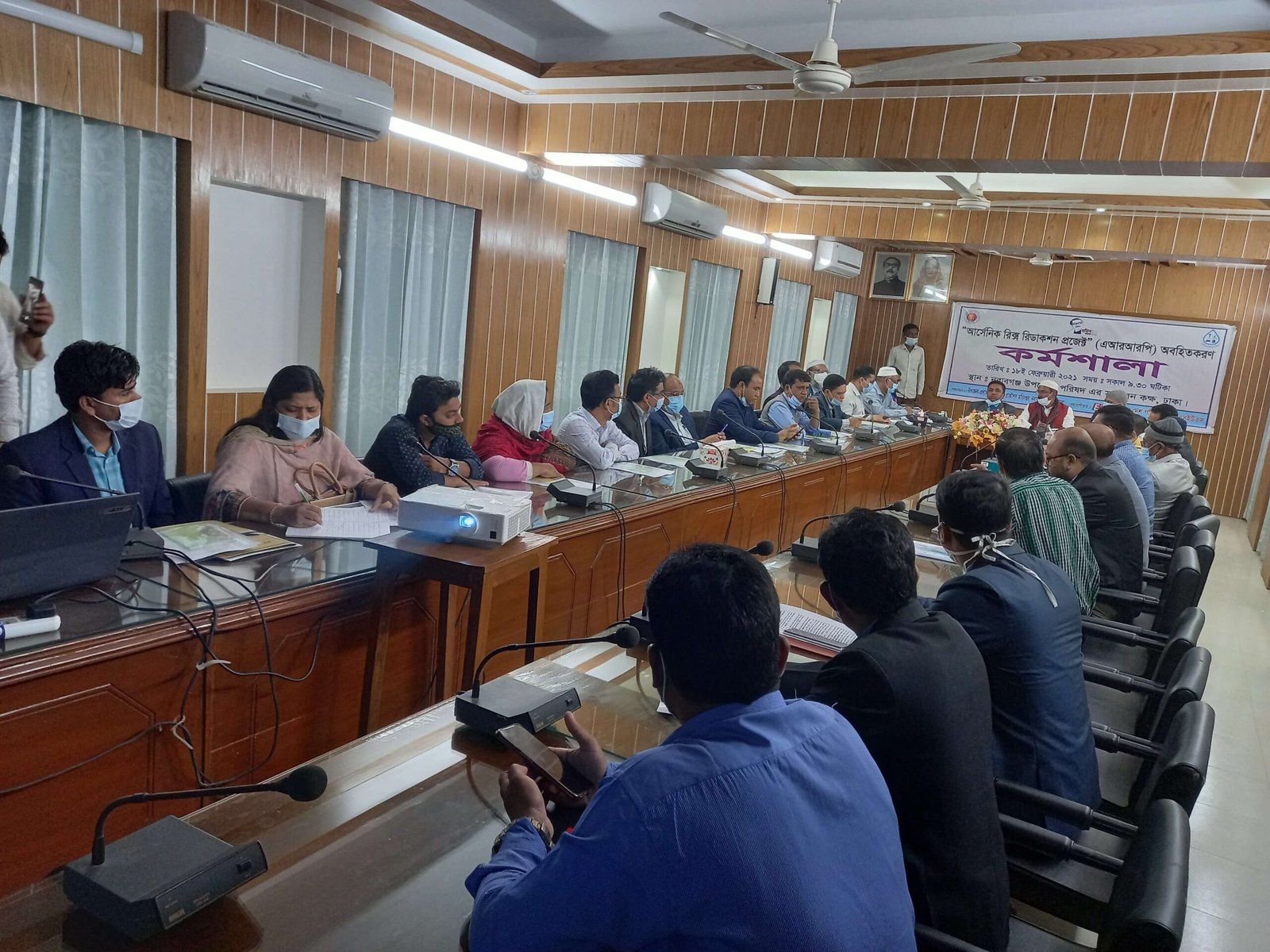
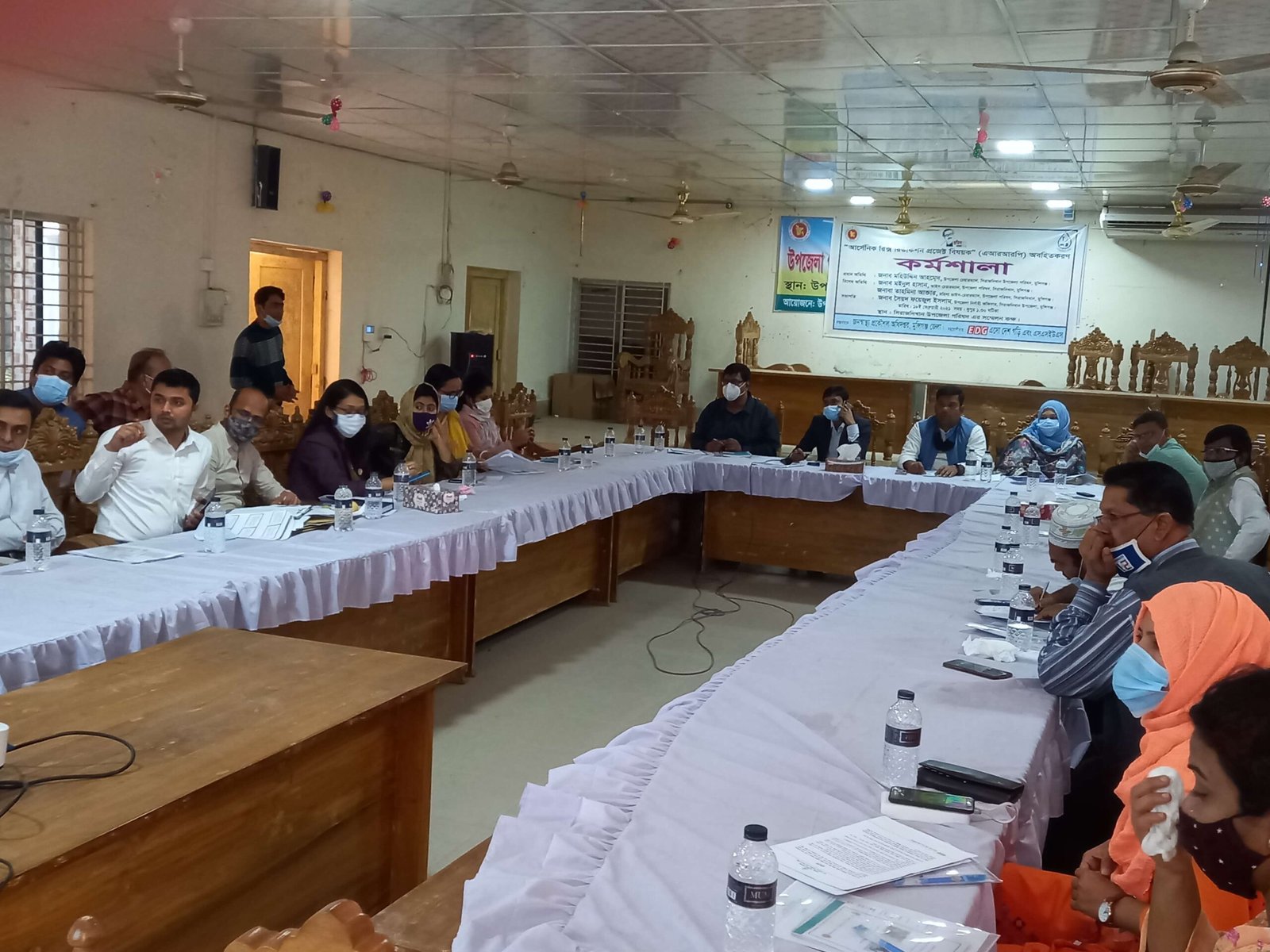
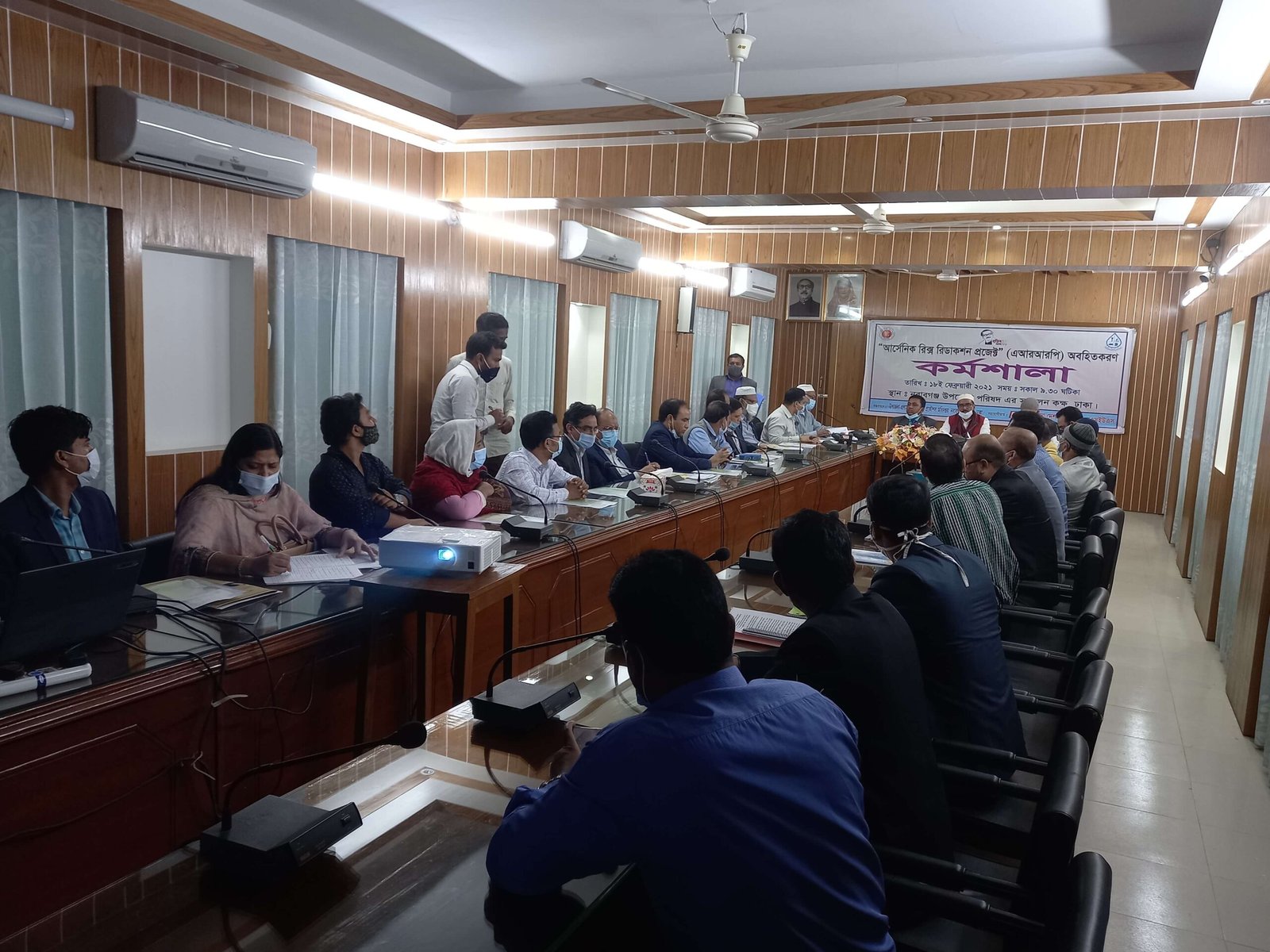
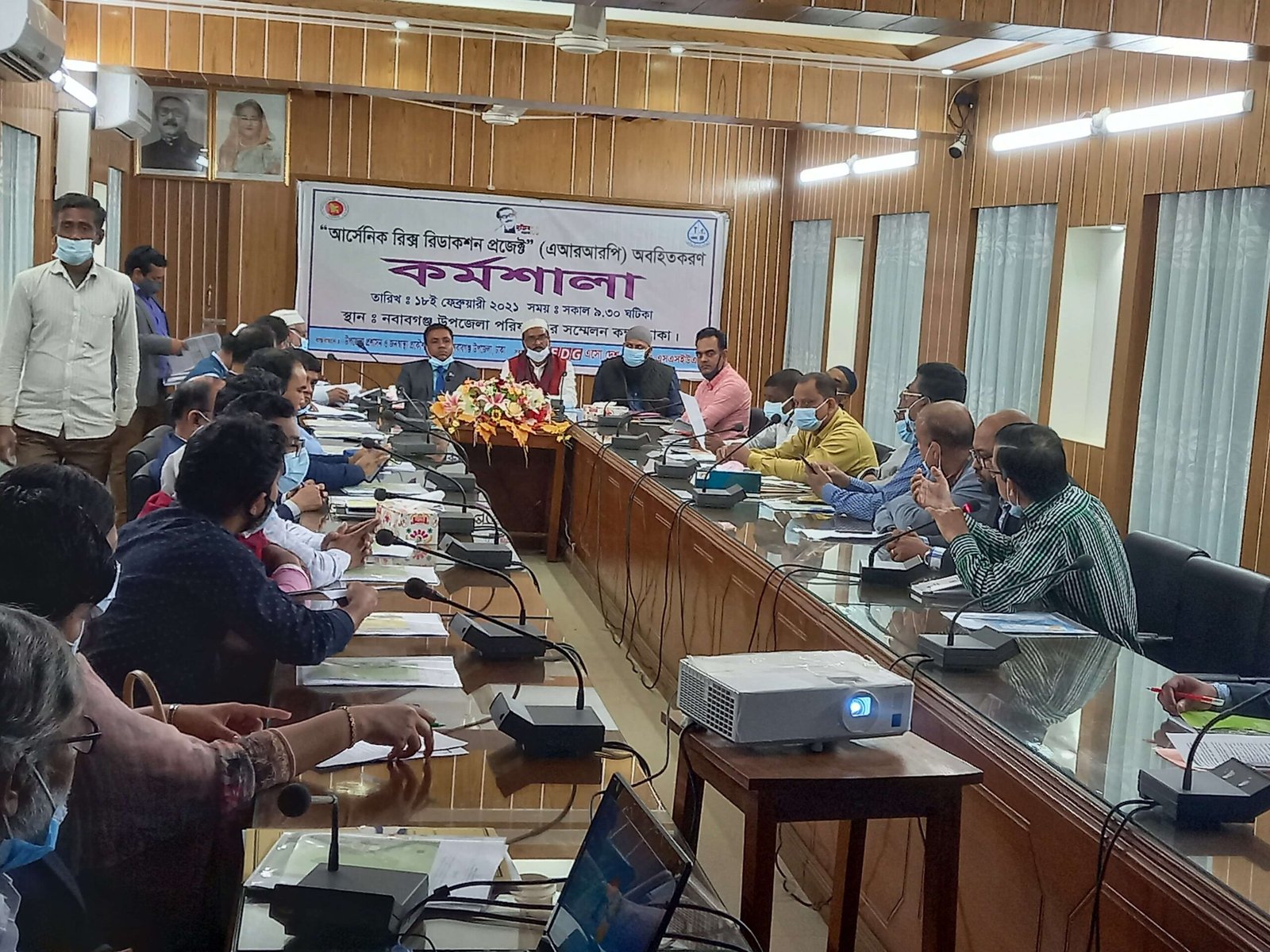
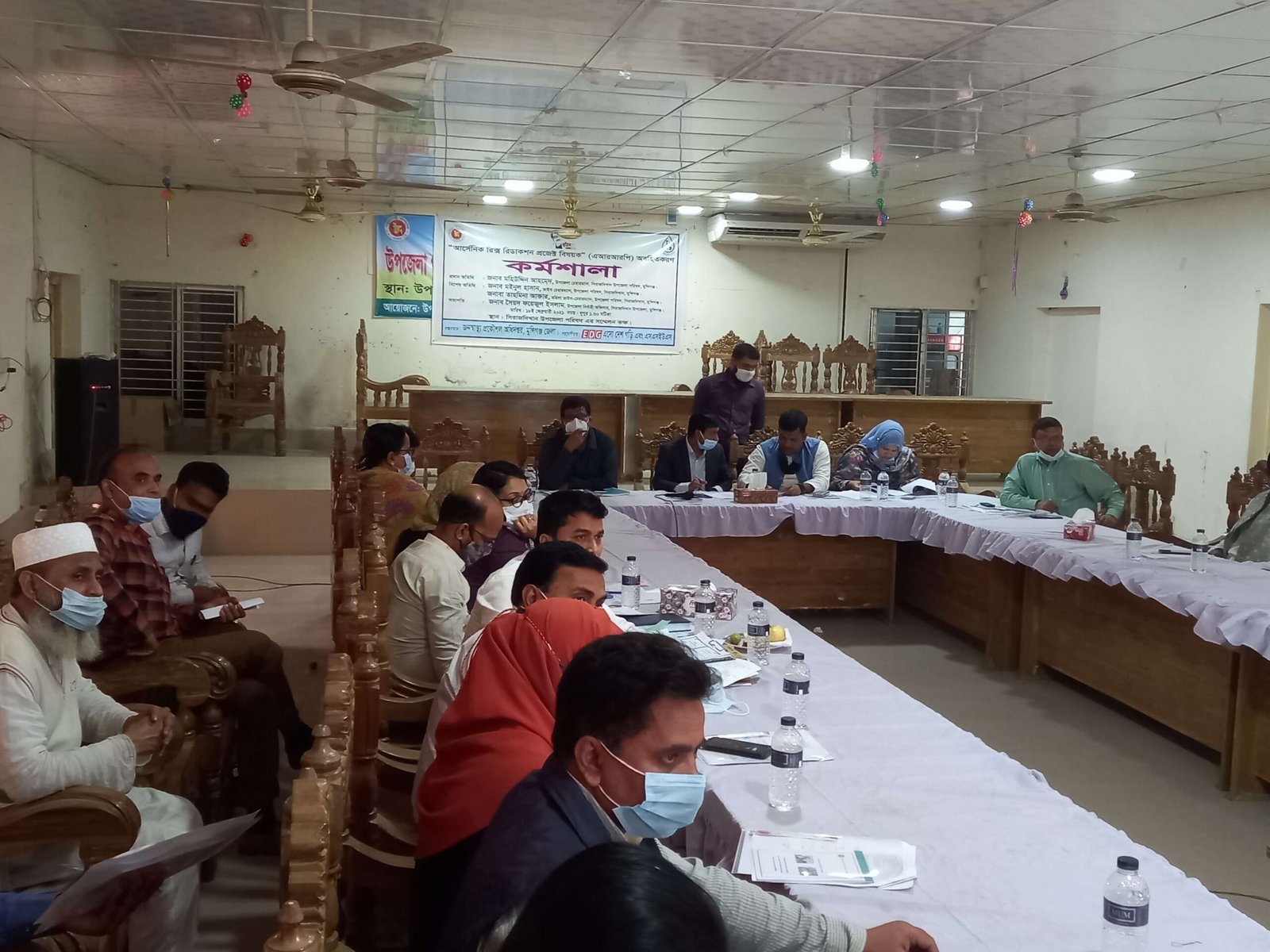
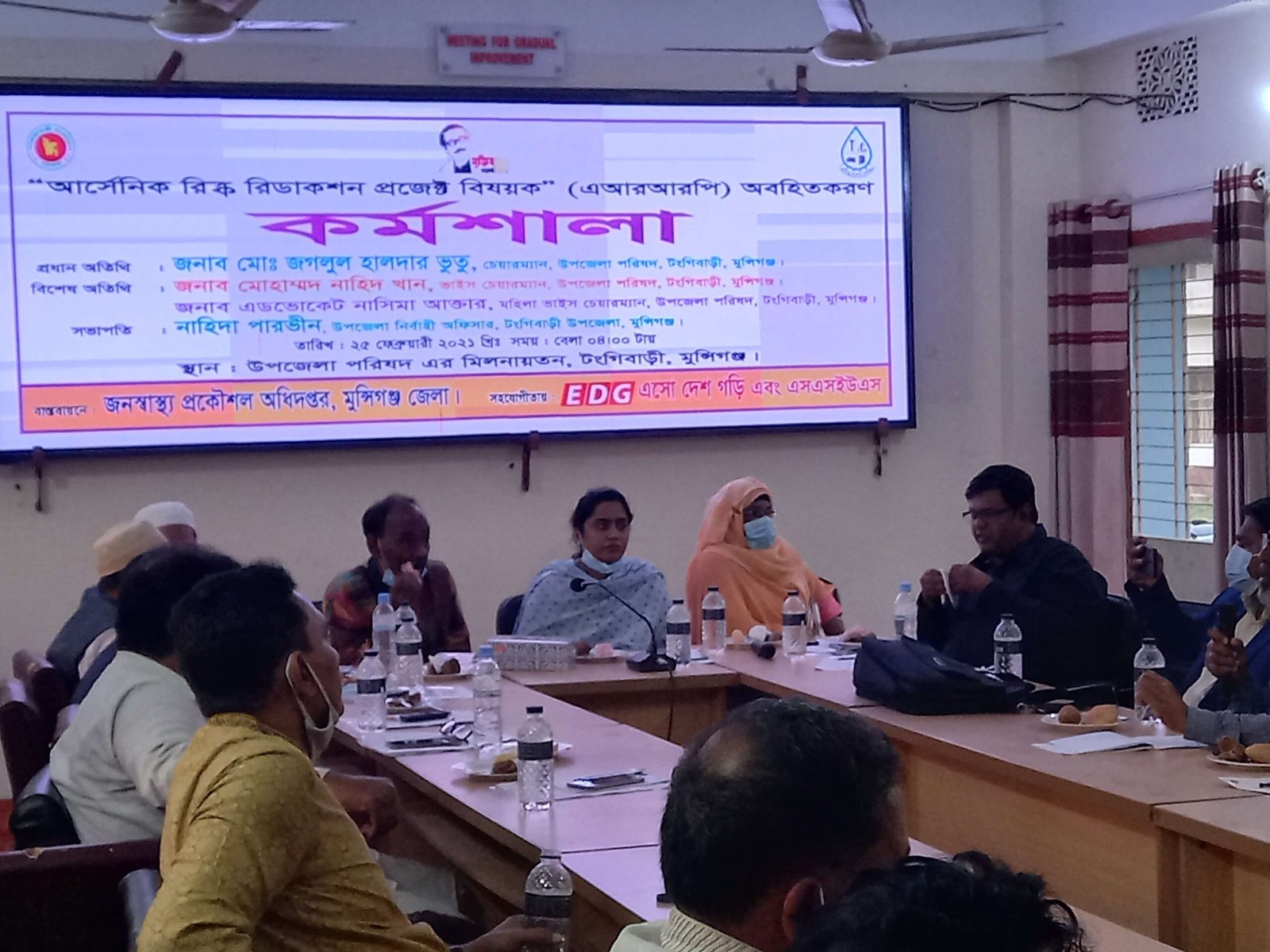
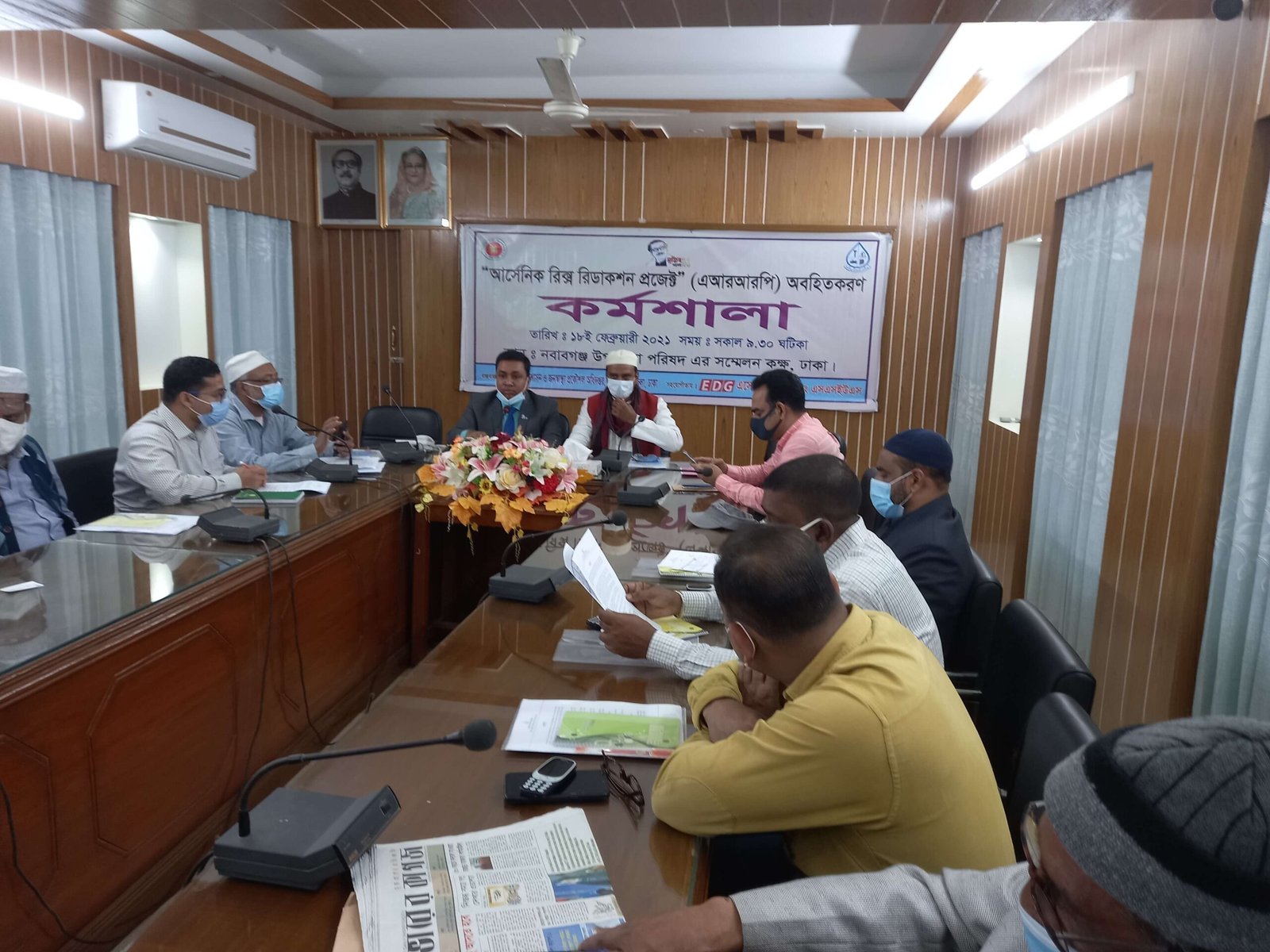
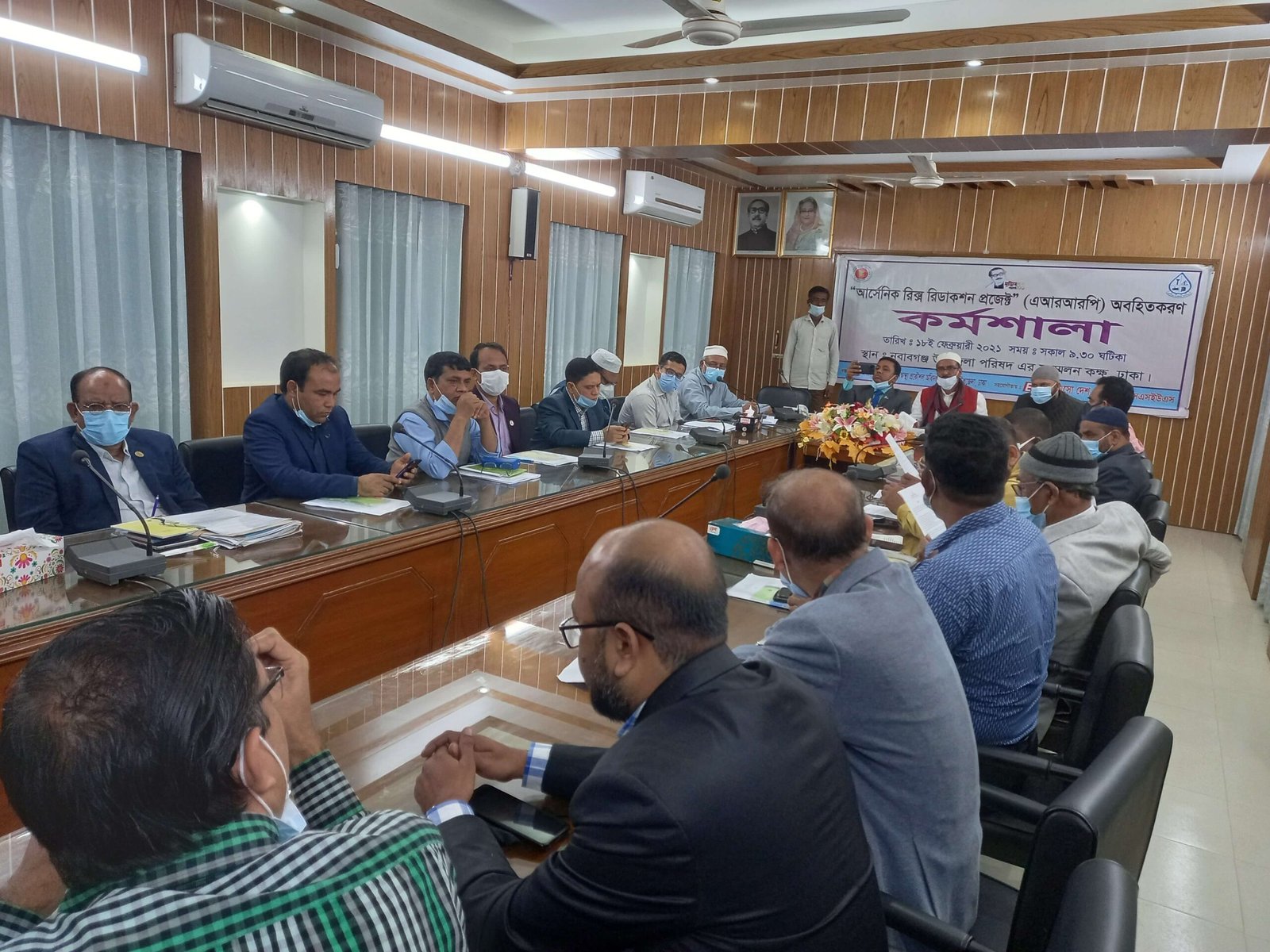
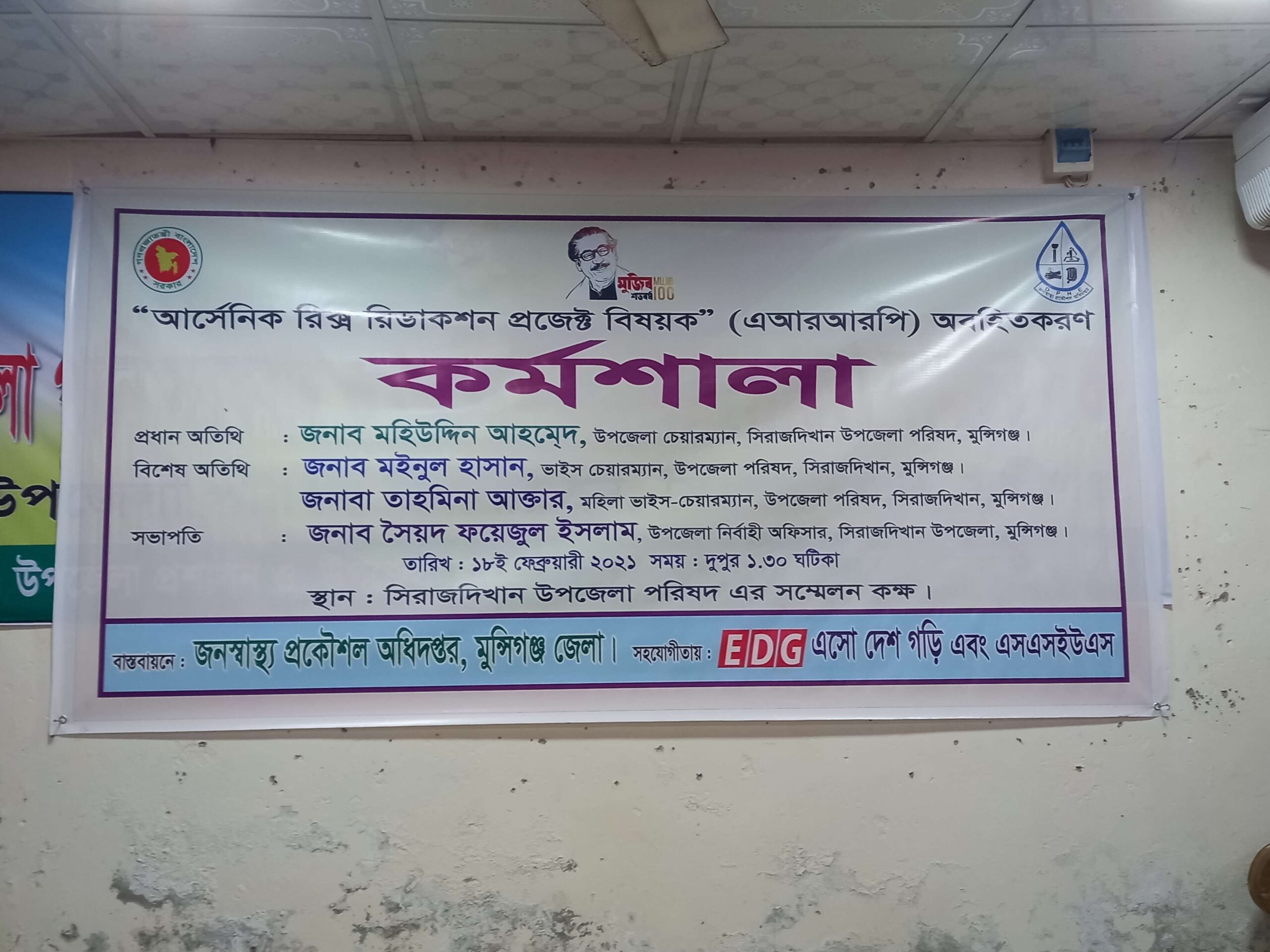
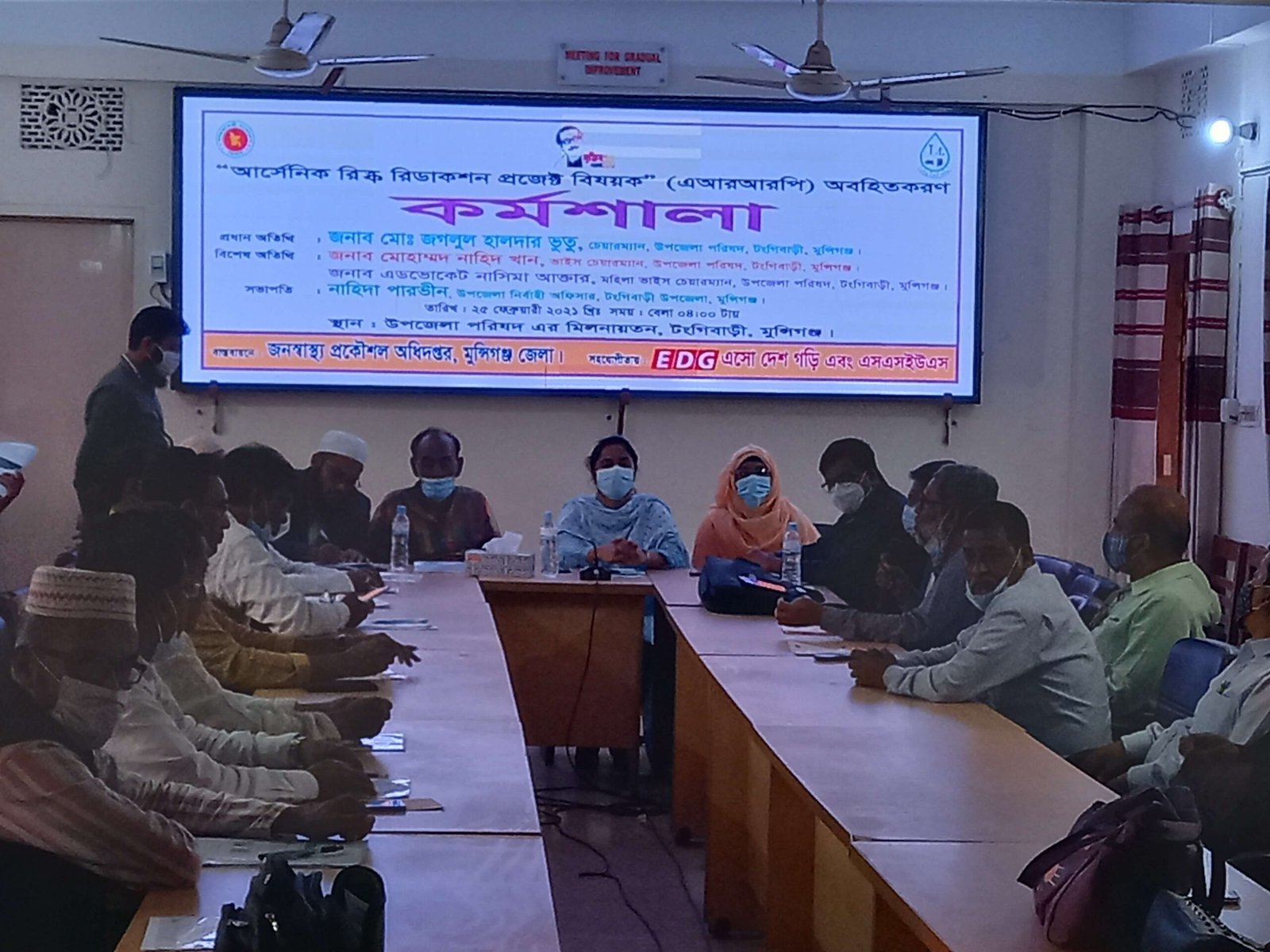
The project covered 3 districts, 13 upazilas, and 115 unions. Activities included district and upazila orientation meetings, community-level awareness activities, field supervision, and training programmes. A total of 29 batches of training were conducted for field arsenic testers, Union Parishad representatives, and DPHE mechanics. The project targeted the arsenic screening of 287,500 tube wells, with 2,500 tube wells planned for testing in each union.
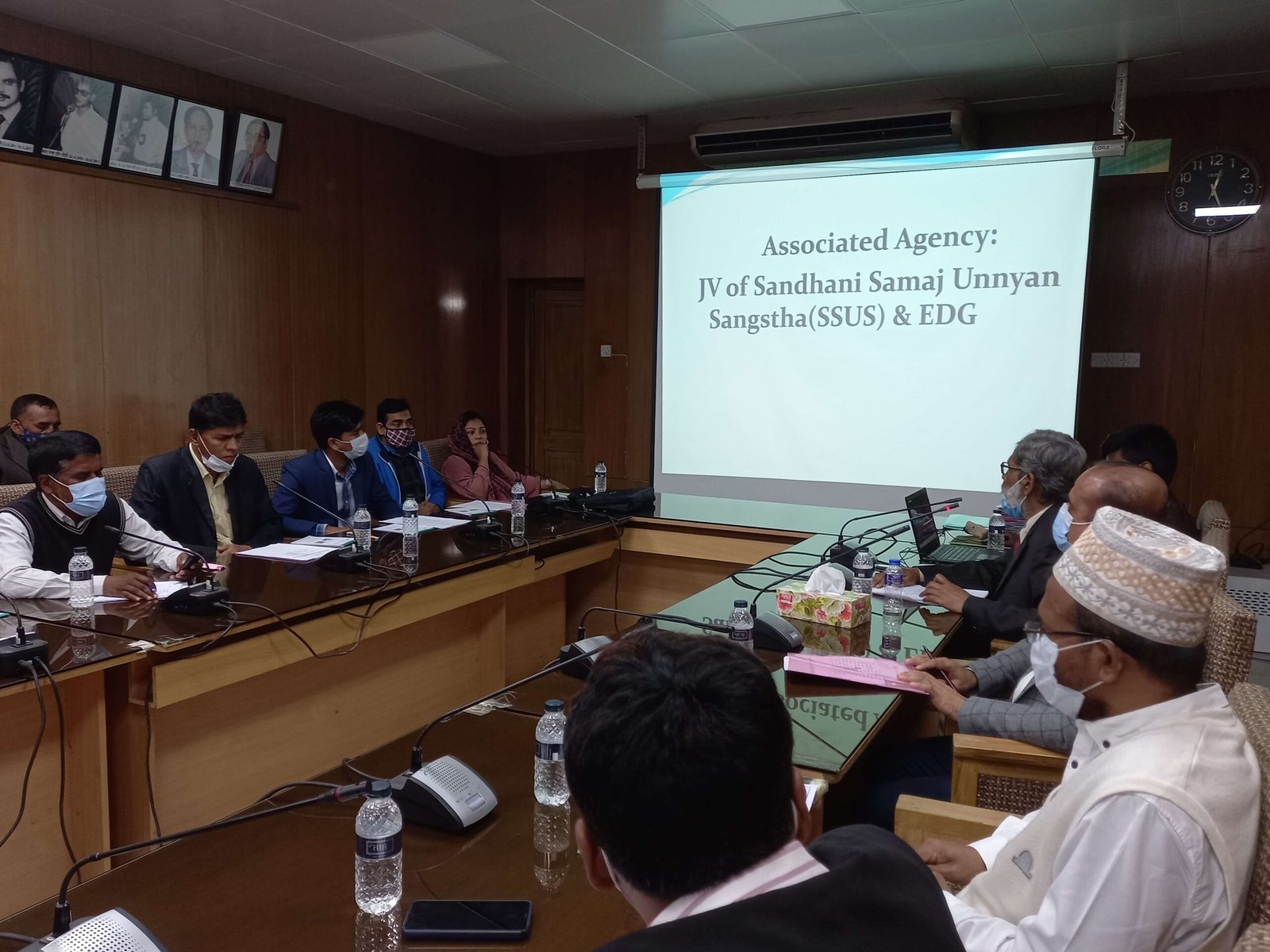
The project was implemented by NGO Forum for Public Health with financial and technical support from the Department of Public Health Engineering (DPHE), Government of Bangladesh. The initiative was carried out through close coordination between DPHE engineers, local government institutions, field workers, and the project consultancy team to ensure effective implementation and monitoring.
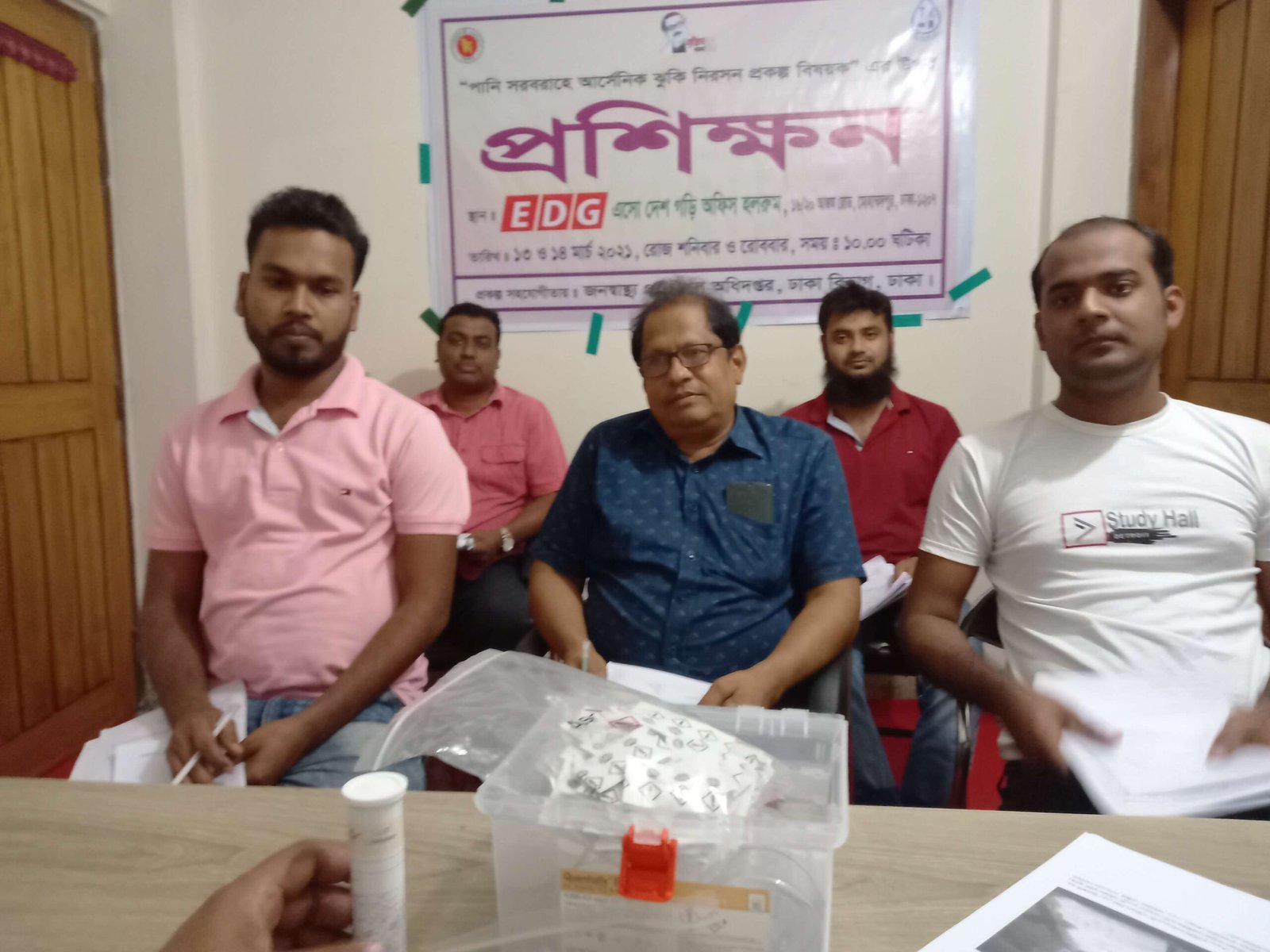
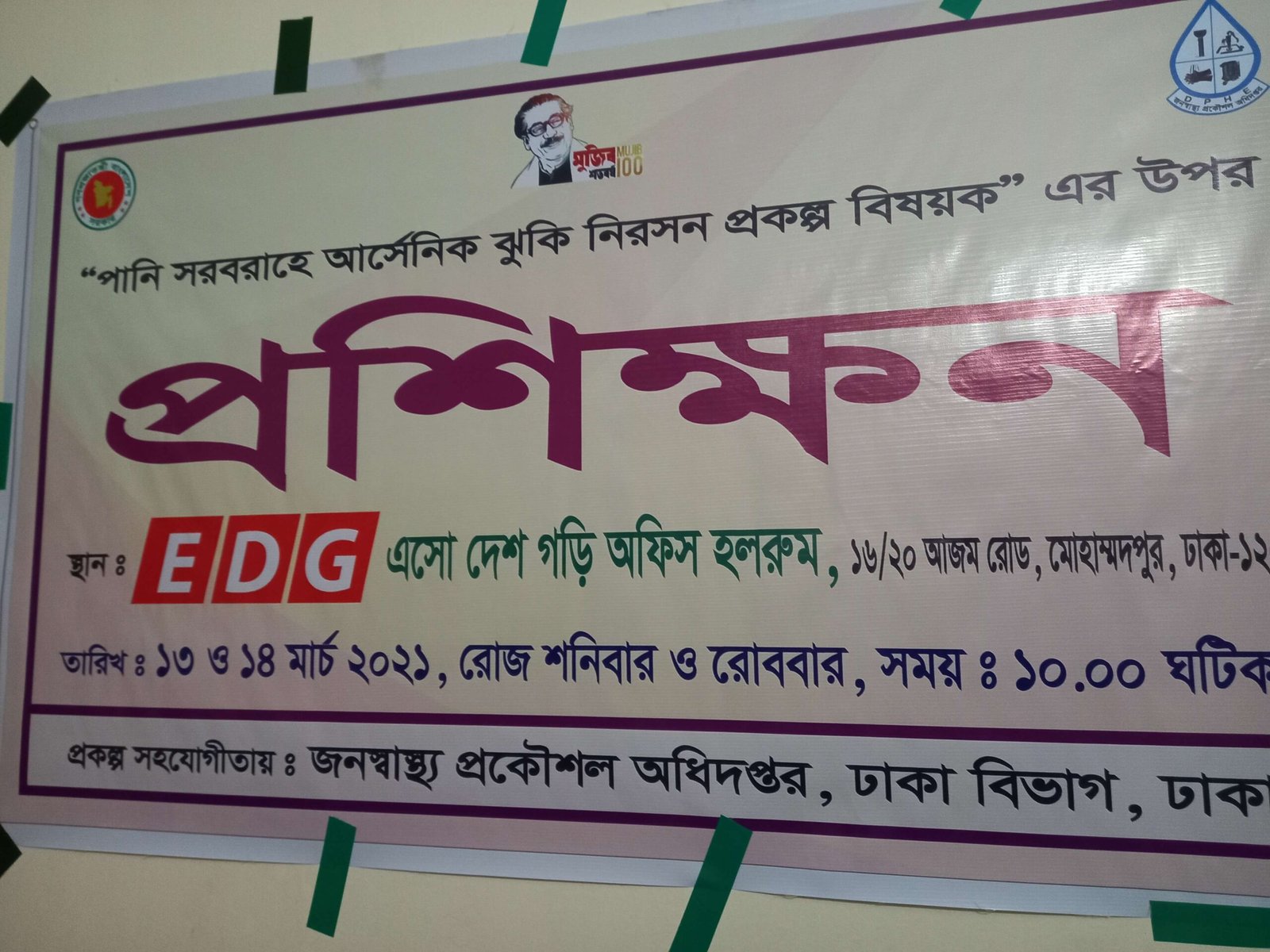
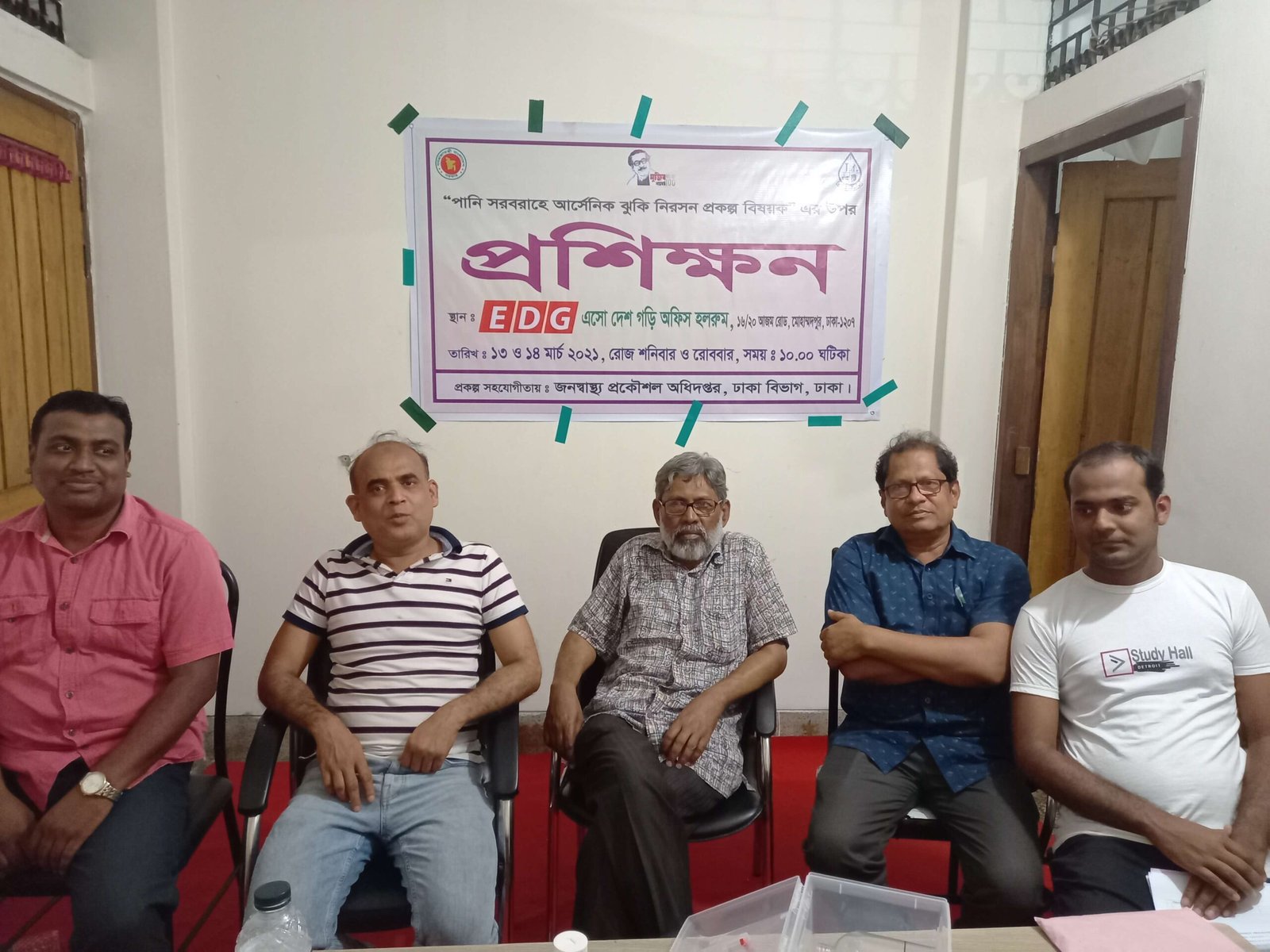
A major component of the consultancy was the development of local capacity to conduct arsenic testing and monitoring activities. Orientation programmes were conducted at district and upazila levels, followed by intensive training for field arsenic testers, Union Parishad representatives, and DPHE mechanics. Training sessions covered arsenic contamination, safe drinking water, arsenic testing procedures, GPS data collection, mobile application use, quality control mechanisms, and community awareness approaches.
The consultancy established a dedicated monitoring mechanism to supervise arsenic screening activities. Monitoring included field visits, random verification of tube well testing, quality assurance checks, GPS verification, and review of data uploaded through the ARRP mobile application. Eight consultants were assigned across the project districts to support monitoring, supervision, and coordination with DPHE engineers. Approximately 15% of unions received intensive random monitoring and verification to ensure data quality and proper implementation.
The project targeted 287,500 tube wells across the three districts. By 23 March 2022, a total of 89,163 tube wells had been tested, representing ongoing progress toward the overall target. Among the completed tests, 5,109 tube wells were identified as arsenic contaminated, indicating the continued need for long-term arsenic mitigation and safe water interventions in vulnerable communities.
Several challenges affected project implementation, including shortages of arsenic testing kits, delays in recruiting field testers, internet connectivity issues affecting data uploads, difficulties obtaining GPS readings in border areas, COVID-19 restrictions, local election-related disruptions, and delays caused by staff transfers. Despite these challenges, the consultancy successfully completed all planned training, orientation, monitoring, and supervision activities.
The ARRP consultancy demonstrated that coordinated efforts between DPHE and NGO Forum for Public Health can significantly strengthen arsenic risk reduction initiatives. Through extensive training, field supervision, monitoring, and arsenic screening activities, the project contributed to identifying contaminated water sources, improving local capacity, and supporting safe drinking water initiatives. The report emphasizes that continued arsenic screening, public awareness, monitoring, and long-term collaboration are essential to reducing arsenic exposure and ensuring safe water access for vulnerable communities across Bangladesh.
Implementing Organization: NGO Forum for Public Health.
Supporting/Client Organization: Department of Public Health Engineering (DPHE), Government of Bangladesh.
Funding Organization: Department of Public Health Engineering (DPHE), Government of Bangladesh.
Focal Person (Client): Executive Engineer, DPHE Executive Engineer Office, Hospital More, Kushtia.
Focal Person (Implementing Organization): S. M. A. Rashid, Executive Director, NGO Forum for Public Health.
Project Team Lead: Md. Monirul Islam, Senior Training Consultant.